
1. High Tensile Strength:
The sutli produced by our Tape Sutli Extrusion Plant shows exceptional tensile strength, making it suitable for heavy-duty packaging applications that require durability and reliability.
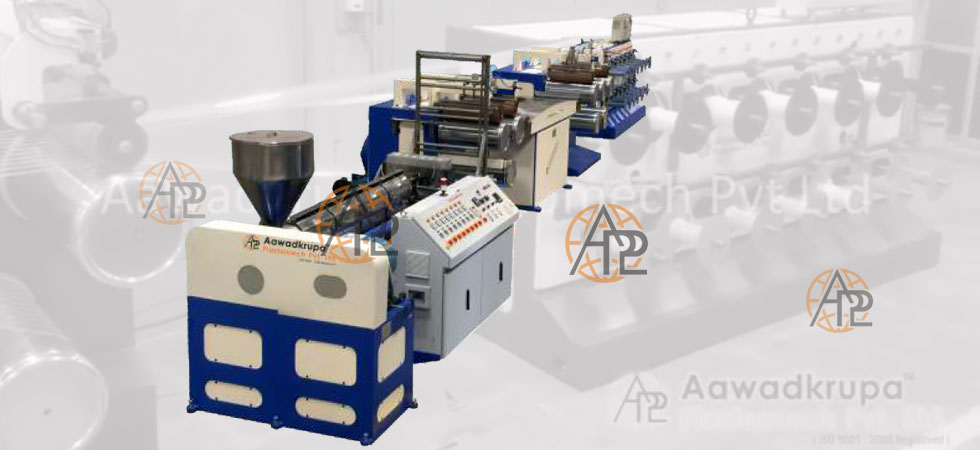
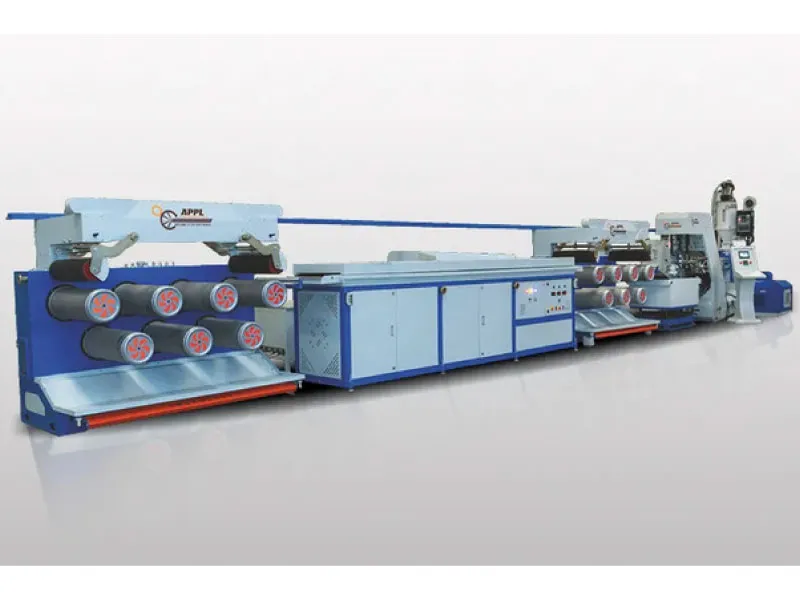
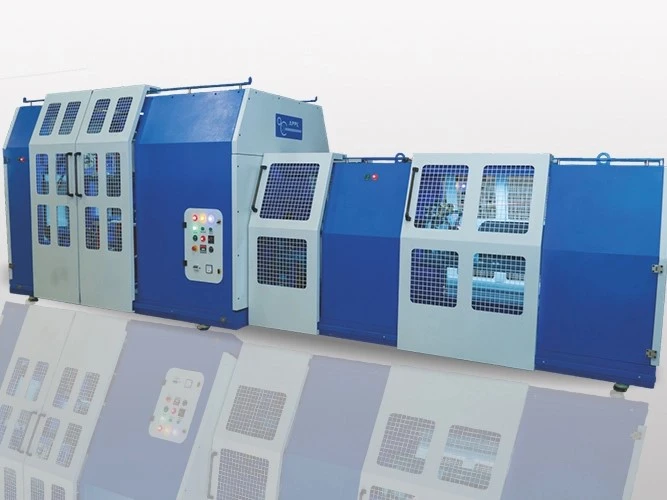
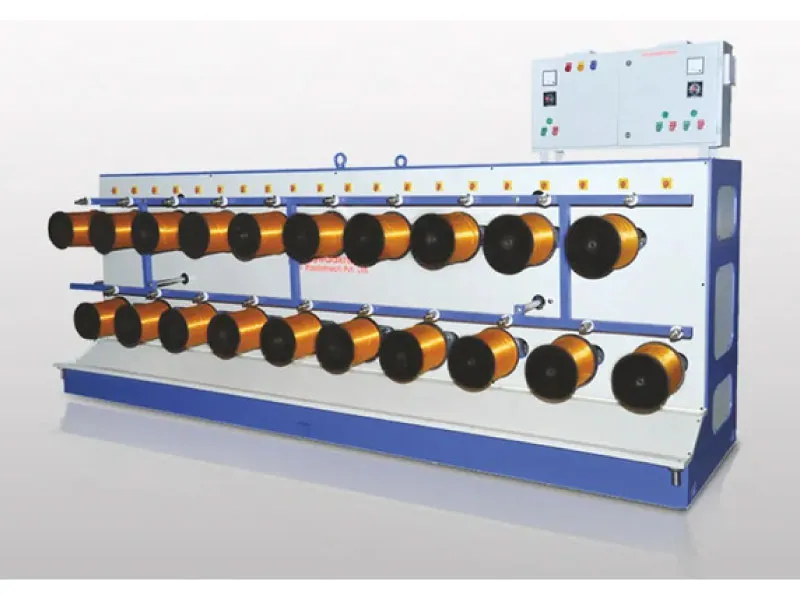
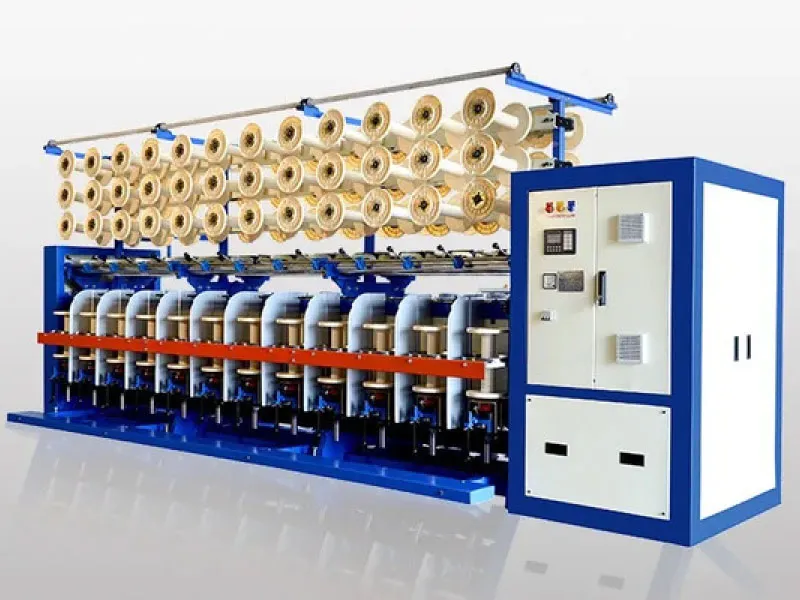
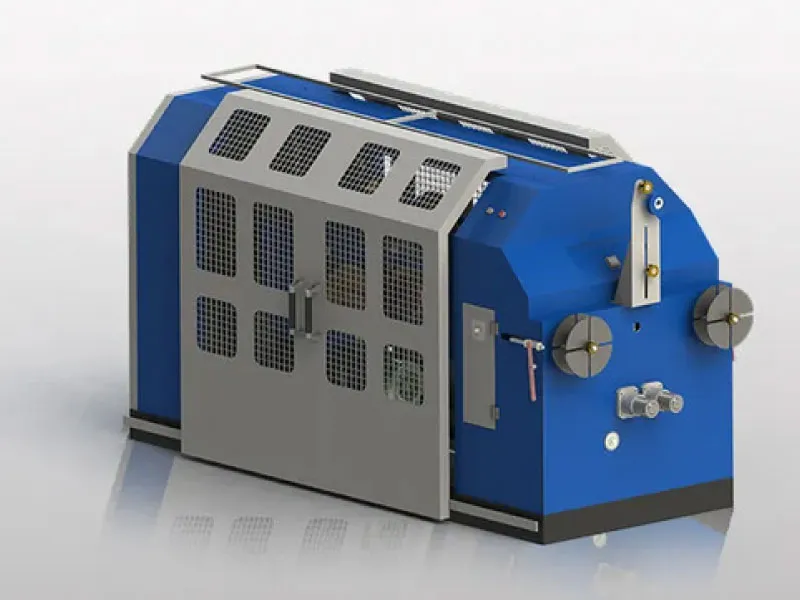
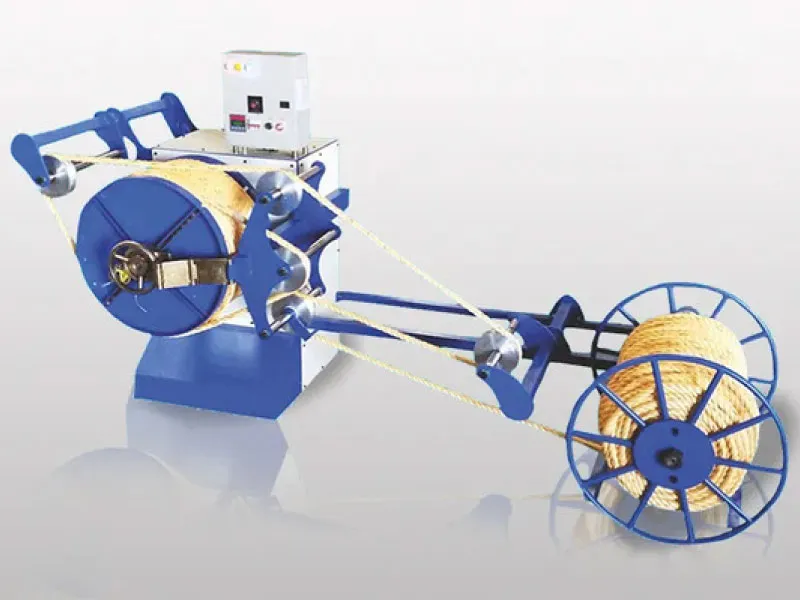
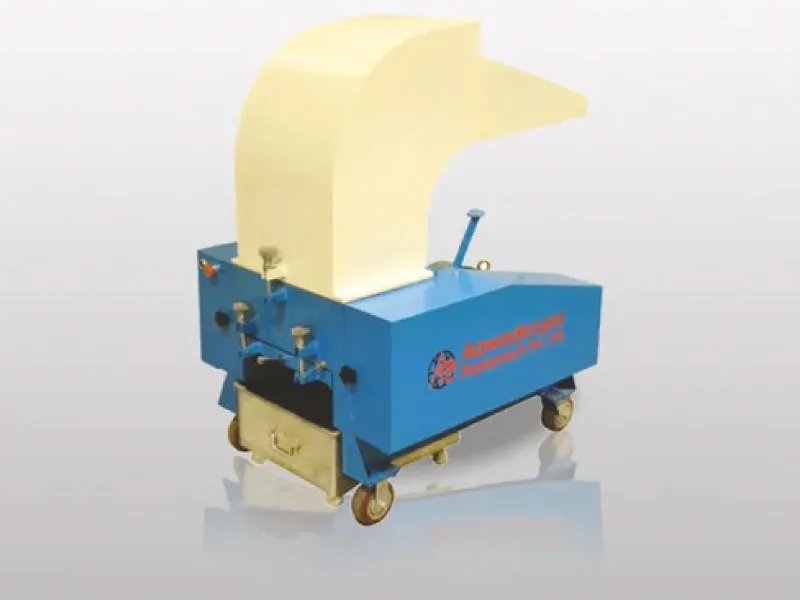
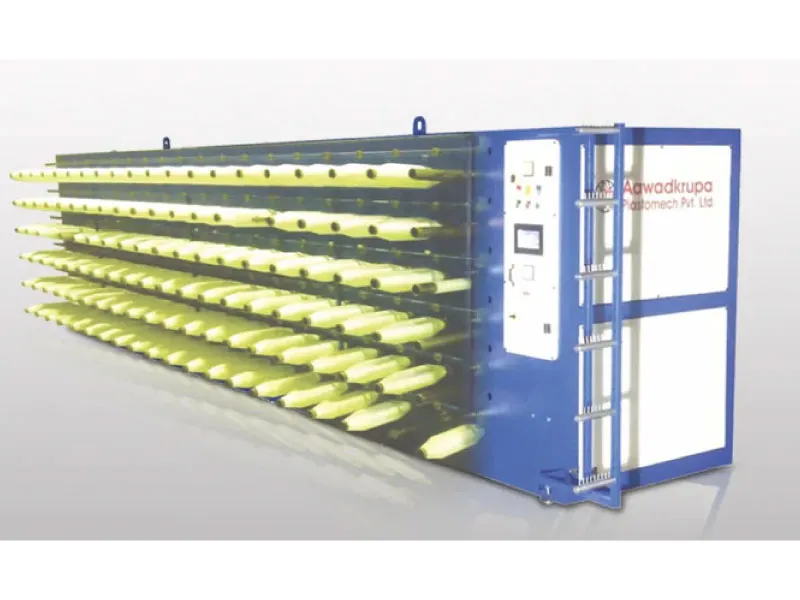
Aawadkrupa Plastomech Pvt. Ltd.'s innovative Tape Sutli Extrusion Plant. As one of the leading manufacturers and exporters. we deliver top-quality extrusion plants worldwide. Our Tape Sutli Extrusion Plant is an advanced unit designed to produce synthetic strings known as sutli from polypropylene (PP) granules. This innovative process involves melting and extruding the granules through a die to create durable round or flat string-like structures. The resulting sutli boasts impressive qualities such as high tensile strength, lightweight construction, and resistance to chemicals and UV radiation.
Sutli is commonly used in the packaging industry due to its toughness and durability, making it ideal for a variety of uses. Our plant offers varying capacities to suit your production needs, efficient output of several hundred metric tons of sutli per year.
Experience the consistency and productivity of Aawadkrupa Plastomech Pvt. Ltd.'s Tape Sutli Extrusion Plant, and revolutionize your manufacturing capabilities today.
The sutli produced by our Tape Sutli Extrusion Plant shows exceptional tensile strength, making it suitable for heavy-duty packaging applications that require durability and reliability.
Despite its effective strength, the sutli manufactured by our plant is lightweight, allowing for easy handling and transportation without adding unnecessary weight to the packaged goods.
Our sutli is designed to withstand exposure to harsh chemicals and UV radiation, ensuring long-lasting performance even in challenging environmental conditions.
The extrusion plant offers flexibility in production capacities, allowing you to customize the output according to your specific requirements, whether you need a small batch or large-scale production.
By investing in our Tape Sutli Extrusion Plant, you can benefit from cost-effective manufacturing processes that optimize efficiency and reduce operational expenses in the long run.
The flexible nature of sutli enables its use in various industries beyond packaging, including agriculture, construction, and textiles, providing a versatile solution for diverse applications.
Need these features configured for your yarn and output?


Fill out the below form and our experts will touch with you within 24 hours.
Common questions about the tape sutli extrusion plant.
Still have a question?
Ask on WhatsAppA Tape Sutli Extrusion Plant is a manufacturing unit used to produce a type of synthetic string called sutli from polypropylene (PP) granules.
The process involves melting and extruding polypropylene granules through a die to form a round or flat string-like structure. The string is then wound onto spools for use in various applications such as in the packaging industry.
Sutli has several benefits such as high tensile strength, low weight, and resistance to chemicals and UV radiation. It is also durable and has good abrasion resistance, making it suitable for a variety of industrial applications.
The capacity of a Tape Sutli Extrusion Plant can vary depending on the size and configuration of the plant. However, a typical plant can produce up to several hundred metric tons of sutli per year.
USA | China | Japan | South Korea | Taiwan | Singapore | Malaysia | Thailand | Indonesia | Vietnam | Philippines | Sri Lanka | Bangladesh | Saudi Arabia | UAE | Turkey | Germany | France | United Kingdom | Italy | Spain | Netherlands | Poland | Switzerland | Sweden | Belgium | Austria | Norway | Denmark | Finland | Czech Republic | Hungary | Slovakia | Greece | Portugal | Romania | Bulgaria | Canada | Mexico | Brazil | Argentina | Chile | Colombia | Peru | South Africa | Nigeria | Egypt | Kenya | Algeria | Morocco | Tunisia | Ghana | Australia | New Zealand | Russia | Ukraine | Belarus | Kazakhstan | Uzbekistan | Iran | Qatar | Oman | Kuwait | Venezuela | Bolivia | Paraguay | Uruguay | Ethiopia | Tanzania | Zambia | Angola