
Key Takeaways
- Understand the essential compatibility of PP and HDPE materials for selecting the right Rope Making Machine.
- Choose the appropriate Rope Making Machine by considering required rope diameter and expected daily output.
- Explore various machines for producing different rope sizes, from 2 mm to 55 mm in diameter.
- Evaluate supporting machinery options for a complete and efficient rope production setup.
- Identify critical factors like raw material type and production capacity when buying a PP Rope Making Machine.
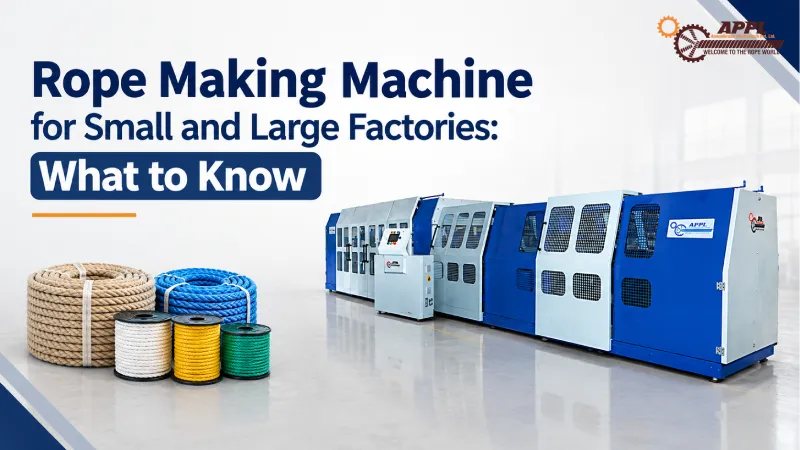
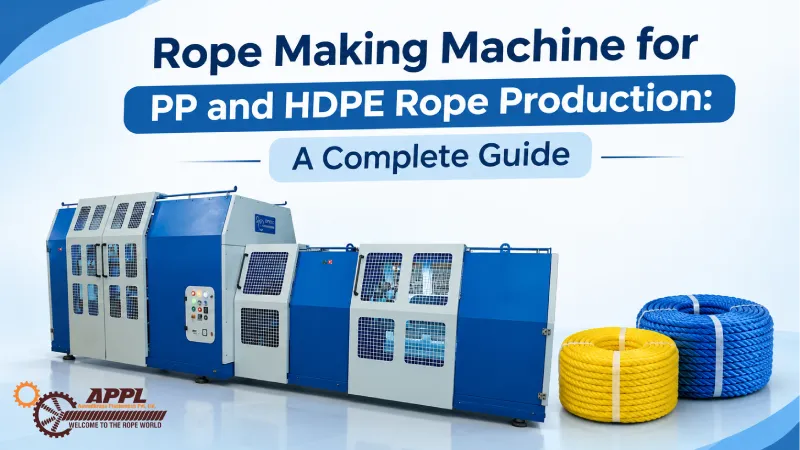
Planning to manufacture polypropylene or HDPE ropes but unsure which machinery will suit your production requirements? Choosing the right Rope Making Machine involves understanding raw material compatibility, rope diameter and expected daily output. At Aawadkrupa Plastomech Pvt. Ltd., we manufacture and export machinery for processing synthetic rope materials, including PP and HDPE. Our equipment range helps manufacturers explore suitable configurations for different rope production requirements.
1. How Does Rope Making Equipment Process PP and HDPE Materials?
Polypropylene (PP) and high-density polyethylene (HDPE) are among the synthetic materials used in rope manufacturing. Selecting machinery compatible with these materials is an essential part of planning a production facility.
Our rope-making machines are designed to process synthetic yarns, including PP, HDPE, polyester, nylon and PET monofilament. The rope-making stage uses prepared synthetic yarns to produce finished rope according to the required machine configuration. Manufacturers must therefore consider the characteristics of their input material before selecting equipment.
Our machinery range also includes monofilament extrusion plants and twisting machines for related production activities. For buyers planning a factory, understanding the complete production arrangement helps identify the equipment needed before finished rope manufacturing begins. We recommend discussing material type, intended rope diameter and production requirements with our technical team during machine selection.
2. Which Machine Models Are Suitable for Different Rope Diameters?
Rope diameter directly influences machinery selection. A machine designed for smaller rope sizes may not meet the requirements of manufacturers producing thicker industrial ropes.
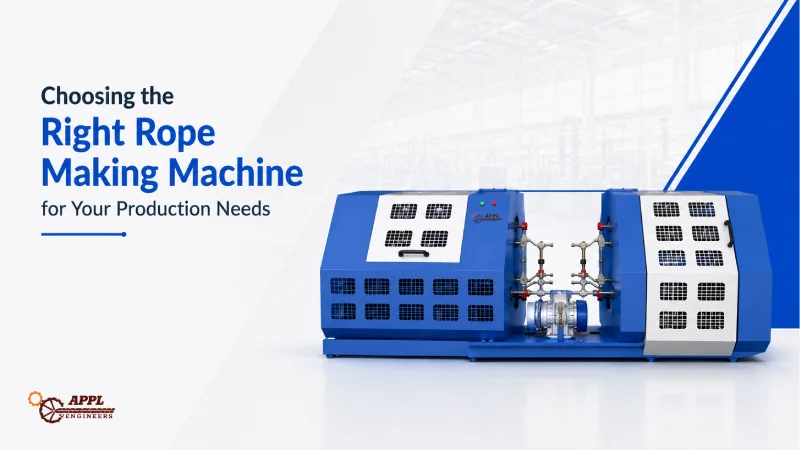
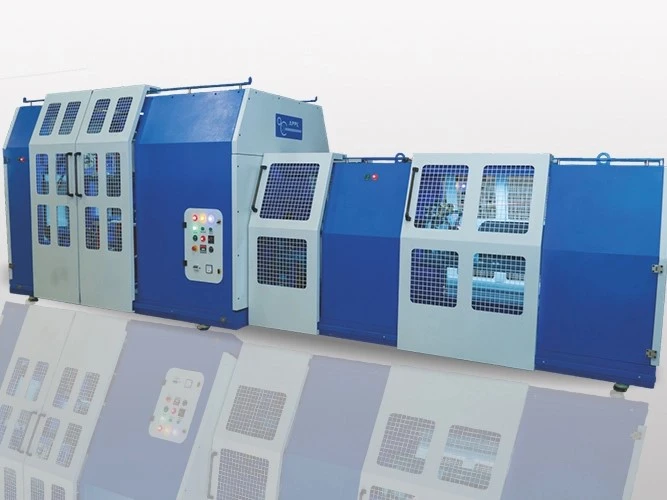
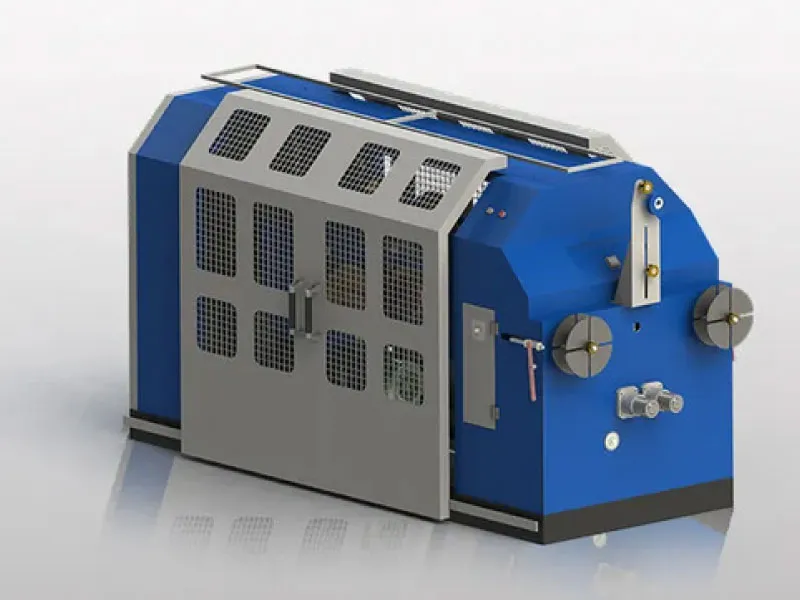
Our PP Rope Making Machine options are available across different standard rope diameter categories. The same machinery range also supports HDPE synthetic yarn processing.
We offer the following standard configurations:
| Rope diameter range | Machinery option |
|---|---|
| 2-6 mm | Standard rope-making machine |
| 4-8 mm | Standard rope-making machine |
| 6-12 mm | Standard rope-making machine |
| 8-16 mm | Standard rope-making machine |
| 12-25 mm and 16-32 mm | Standard rope-making machines |
| 16-44 mm and 25-55 mm | Standard rope-making machines |
These configurations allow manufacturers to compare available models according to their intended finished rope thickness.
Our team can help buyers review machine suitability based on rope diameter and material specifications. Selecting equipment according to the actual rope requirement is more practical than choosing a model based only on its maximum diameter.
3. How Much Rope Can Different Machines Produce Daily?
Production capacity is an important consideration when selecting equipment for PP and HDPE rope manufacturing. The expected output must match the factory's planned production activities.
Our standard rope-making machines have a stated production capacity of approximately 50-500 kg of finished rope per day per machine. Actual production varies depending on the selected model and rope thickness. We also manufacture high-speed and endless rope-making machines for customers exploring higher-volume production arrangements.
An HDPE Rope Making Machine should be evaluated according to the required rope diameter and targeted output. Manufacturers must also consider how the machine will fit into their existing production facilities. Our equipment range provides options for small workshops and larger industrial plants. Buyers can discuss their required daily output with our team before deciding on a particular machine configuration.
4. What Supporting Machinery Is Required for PP and HDPE Rope Production?
A complete rope production facility may involve several machines beyond the main rope-forming equipment. The required arrangement depends on how the manufacturer plans to prepare and process synthetic materials.
We offer turnkey rope manufacturing solutions that bring together different production stages.
Our available equipment includes:
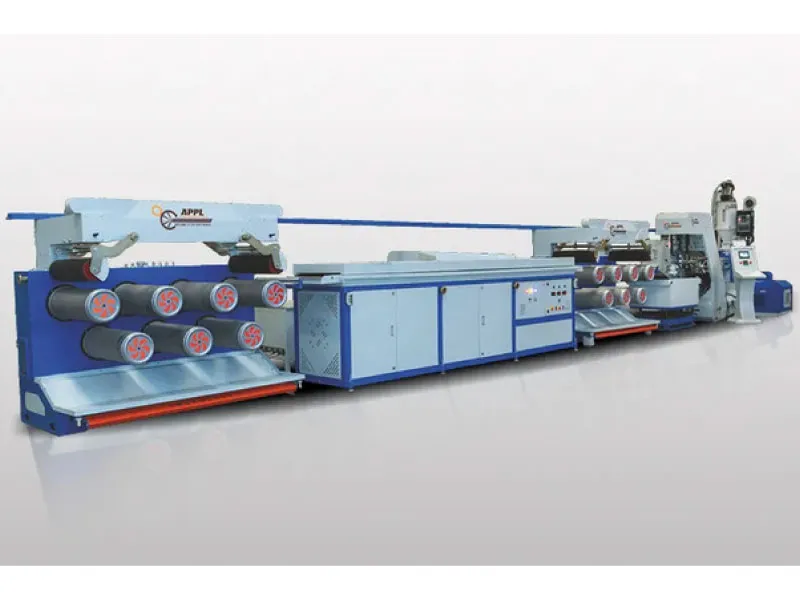
- Monofilament extrusion plants: Equipment for producing synthetic monofilament material.
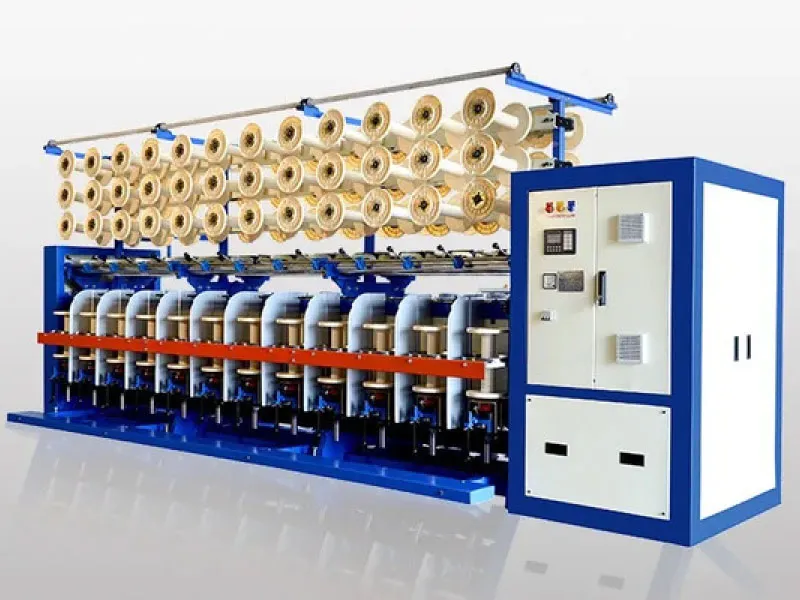
- Twisting machines: Ring twisters, ply yarn twisters and other twisting configurations.
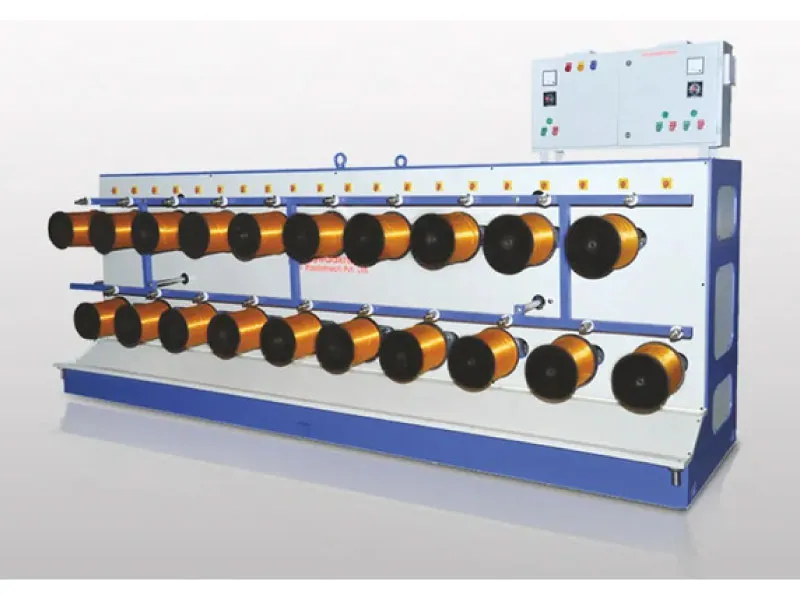
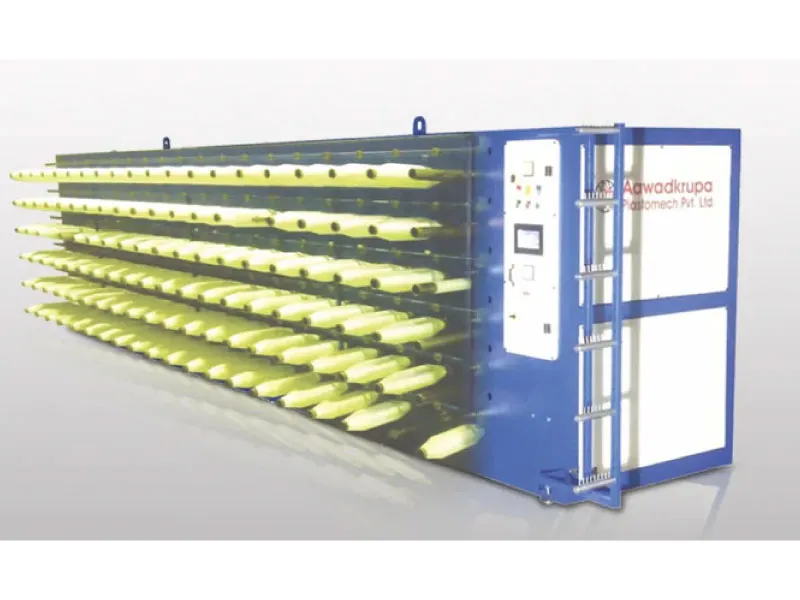
- Winding equipment: Bobbin winders and other machinery for preparing yarn packages.
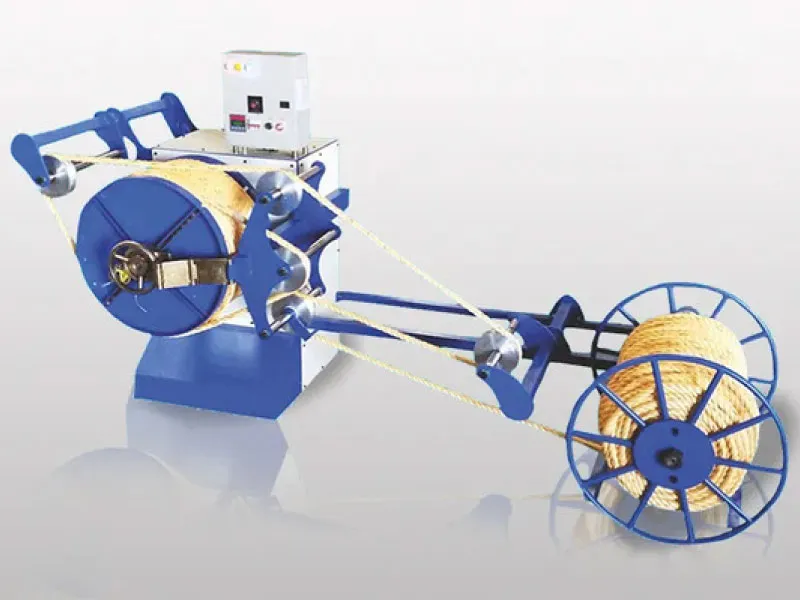
- Rope coiling machines: Equipment for winding finished ropes into organised coils.
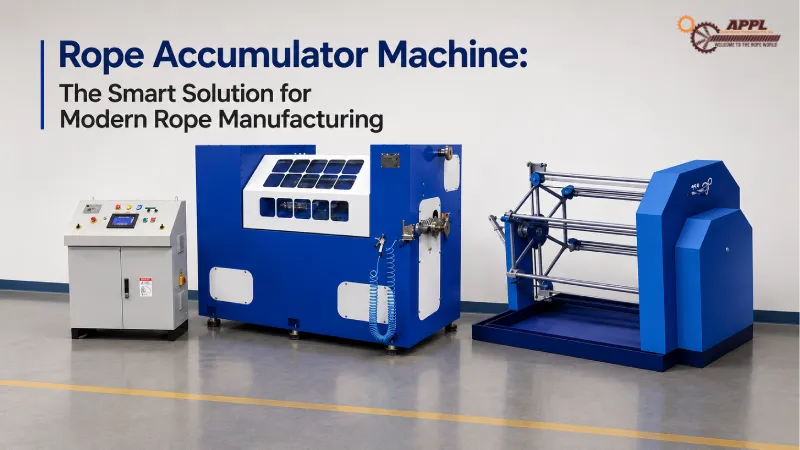
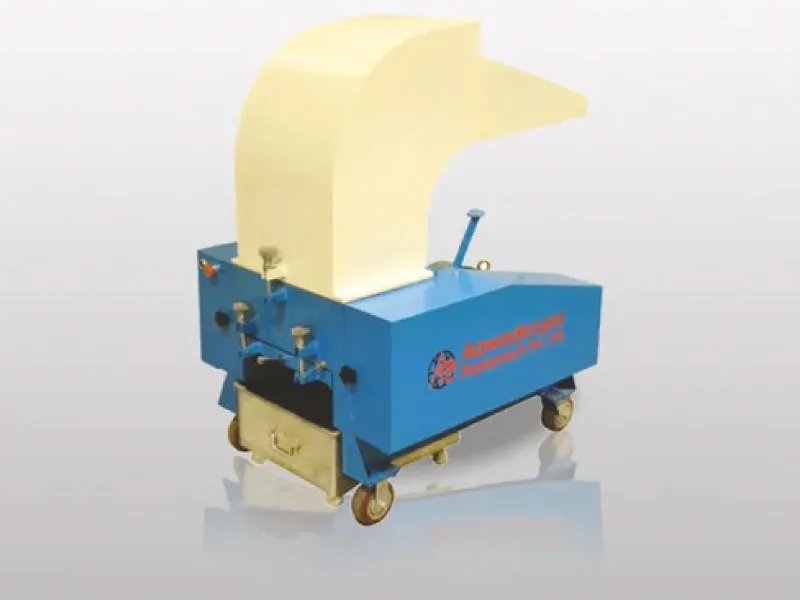
- Accumulators and grinders: Supporting machinery available within our production equipment range.
These machines can form part of a planned rope manufacturing setup according to the customer's requirements. Our turnkey services also cover factory layout planning, machinery supply, installation and commissioning. Manufacturers should review the required production stages before finalising their equipment arrangements.
5. What Should Manufacturers Check Before Buying Rope Making Equipment?
Purchasing rope-making machinery involves more than comparing individual models. The selected equipment must support the intended raw material and finished rope specifications.
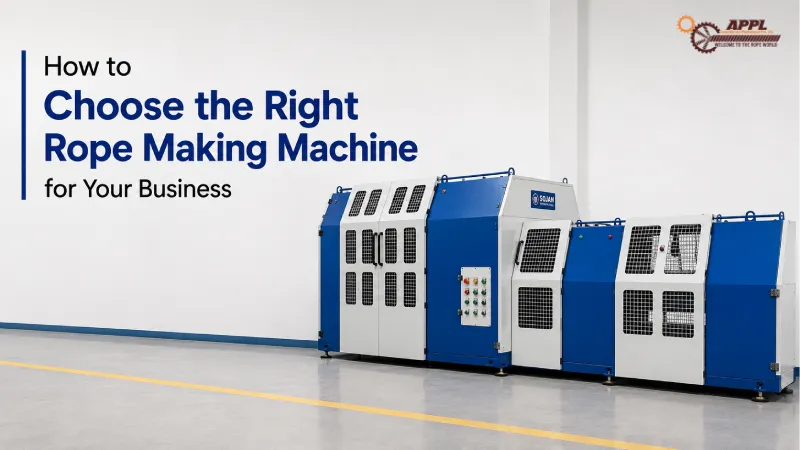
Our Rope Making Machine range includes standard, high-speed and endless configurations for different production requirements.
Buyers should first confirm the type of synthetic yarn they intend to process. PP and HDPE compatibility is supported across our machinery range, but individual model suitability should be discussed before ordering.
Next, manufacturers should identify the required rope diameter and expected daily production quantity. As a Rope Making Machine Manufacturer, we also provide installation assistance, operator training, spare parts supply and remote technical support. Our team can discuss machinery requirements for new manufacturing units and existing factories planning production expansion.
Why Choose Aawadkrupa Plastomech Pvt. Ltd.?
At Aawadkrupa Plastomech Pvt. Ltd., we have been involved in rope-making machinery manufacturing since 1996. Based in Bhavnagar, Gujarat, we provide equipment for PP, HDPE and other synthetic rope materials. Our range covers multiple rope diameters and production capacities. We also offer turnkey plant solutions, machinery installation, operator training and technical support for manufacturing customers.
Conclusion
Selecting a Rope Making Machine for PP and HDPE production requires a clear understanding of raw materials, rope diameters and expected manufacturing output. Our equipment range offers standard, high-speed and endless machinery configurations for different production needs. Manufacturers can also explore supporting equipment for material preparation, twisting, winding and finished rope coiling. Discussing your planned production requirements with our team helps identify machinery options suited to your manufacturing facility.
Planning to establish or expand your PP and HDPE rope manufacturing unit? Contact Aawadkrupa Plastomech Pvt. Ltd. to discuss available machinery models and production requirements.
Call: +91 9510186014
Email: info@akiropes.com
Frequently Asked Questions
What types of materials can a Rope Making Machine process?
A Rope Making Machine can process synthetic materials such as polypropylene (PP) and high-density polyethylene (HDPE). Additionally, these machines are compatible with other materials like polyester, nylon, and PET monofilament, ensuring versatility for different rope production needs.
How do I choose the right PP Rope Making Machine for my production?
Choosing the right PP Rope Making Machine involves considering the required rope diameter, expected daily output, and material compatibility. It's crucial to discuss your specific production needs with a manufacturer to ensure the selected machine meets your requirements.
What is the daily production capacity of an HDPE Rope Making Machine?
The daily production capacity of an HDPE Rope Making Machine typically ranges from 50 to 500 kg of finished rope per day, depending on the model and rope thickness. Manufacturers should assess their production goals to select a machine that fits their output needs.
What supporting machinery is needed for PP and HDPE rope production?
In addition to a rope-making machine, a complete production facility may require monofilament extrusion plants, twisting machines, winding equipment, and rope coiling machines. Each of these machines supports different stages of the rope manufacturing process.
What should I consider before buying a Rope Making Machine?
Before purchasing a Rope Making Machine, ensure it is compatible with the type of synthetic yarn you intend to process, such as PP or HDPE. Additionally, identify the required rope diameter and expected production volume to select the most suitable model.
Summarize with AI: