Key Takeaways
- Selecting the right Rope Making Machine depends on rope diameter, raw materials, and production capacity.
- Smaller factories should evaluate their expected daily production before choosing a rope-making machine.
- Larger factories can benefit from high-speed rope making machines for higher output requirements.
- Understanding rope diameter is crucial for selecting suitable machinery configurations.
- Raw material selection influences the type of rope produced and impacts machinery choice.
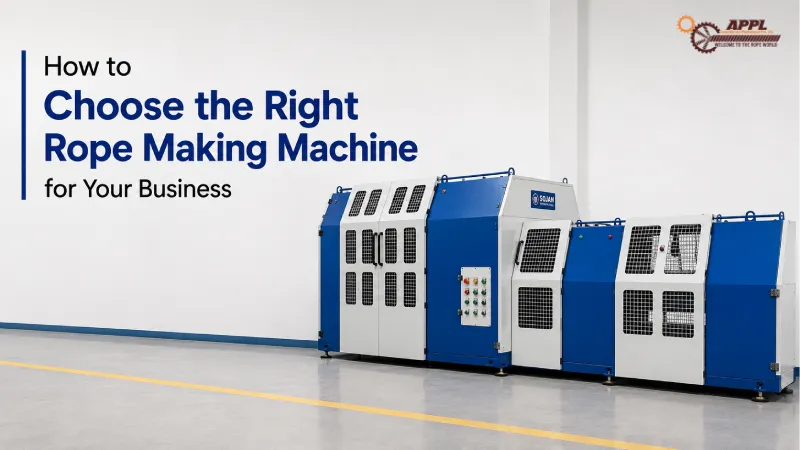
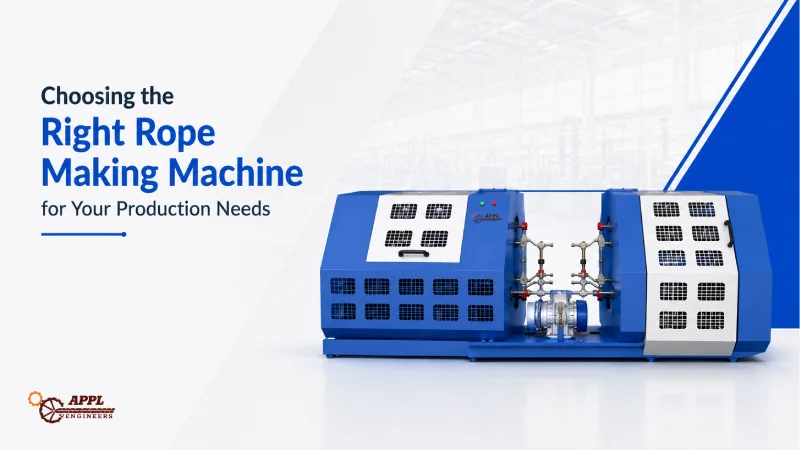
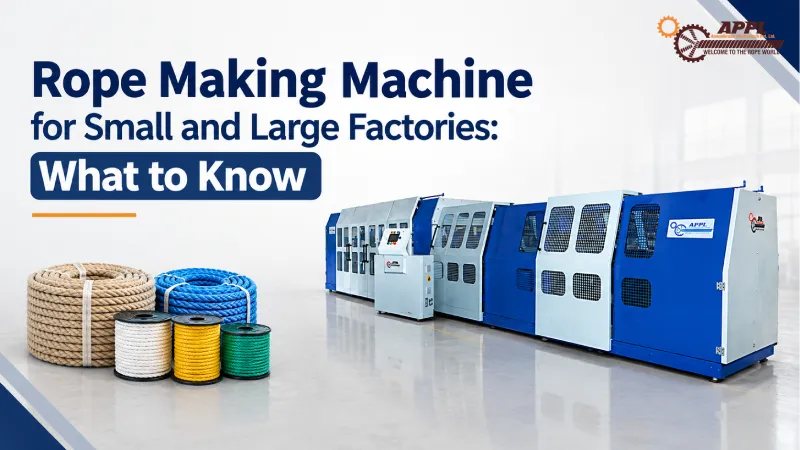
Planning a rope manufacturing unit often raises one question: which machine will match your factory's production requirements? Selecting the right Rope Making Machine depends on rope diameter, raw materials, output capacity and available production facilities. At Aawadkrupa Plastomech Pvt. Ltd., we manufacture and export rope production machinery for small workshops and large industrial plants. Our range helps buyers explore suitable equipment according to their manufacturing objectives.
1. What Should Small Factories Consider Before Selecting a Rope Making Machine?
Small manufacturing units generally need equipment that matches their available production space and expected rope output. Choosing a machine without understanding the required rope diameter can create difficulties when planning operations.
We offer several machine models, including configurations for 2-6 mm, 4-8 mm and 6-12 mm rope diameters. These options allow buyers to evaluate equipment based on the thickness of rope they intend to manufacture.
Our standard rope making machines have a stated production capacity of 50-500 kg of finished rope per day per machine, depending on the model and rope thickness.
Factory owners should first identify their expected daily production quantity. This helps our team discuss an appropriate machine configuration instead of selecting equipment based only on factory size.
A smaller factory can also consider future production requirements before finalising its machinery selection.
2. Which Machine Features Matter for Large-Scale Rope Production?
Larger factories may require different rope diameters and higher production volumes. Production planning becomes more detailed when multiple machine configurations are involved.
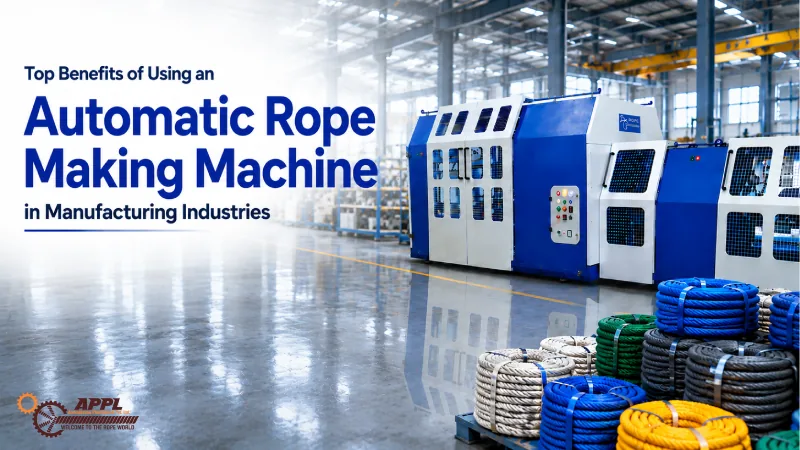
Our High Speed Rope Making Machine range provides an option for manufacturers exploring higher output requirements. We also offer endless rope-making machines for different diameter ranges.
Manufacturers can examine the following factors before choosing equipment:
- Rope diameter: Our standard range includes models from 2-6 mm through 25-55 mm.
- Production requirements: Output varies according to machine model and rope thickness.
- Raw material compatibility: Our machinery supports synthetic materials such as PP, HDPE, polyester, nylon and PET monofilament yarns.
- Machinery configuration: High-speed and endless models provide alternatives to standard machines.
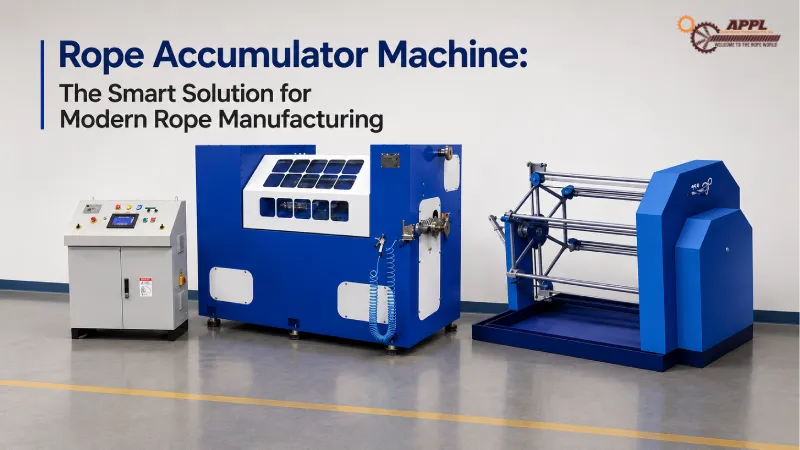
- Supporting equipment: Twisters, winders, coilers and accumulators are available for rope production lines.
Understanding these requirements helps buyers discuss suitable machinery arrangements with our technical team.
3. How Does Rope Diameter Affect Machinery Selection?
Rope thickness is one of the main factors influencing equipment selection. Different finished rope requirements call for different machine configurations.
Our Rope Making Machine range includes eight standard diameter categories, allowing manufacturers to compare machinery for various production needs.
The available configurations include:
| Rope diameter range | Available machinery |
|---|---|
| 2-6 mm | Standard rope-making model |
| 4-8 mm | Standard rope-making model |
| 6-12 mm | Standard rope-making model |
| 8-16 mm | Standard rope-making model |
| 12-25 mm and 16-32 mm | Standard rope-making models |
| 16-44 mm and 25-55 mm | Standard rope-making models |
These ranges help manufacturers identify potential equipment options before reviewing technical specifications.
We recommend discussing the intended rope material and finished diameter with our team. Machine capacity should also be evaluated alongside rope thickness because the daily output differs across configurations.
4. Can Small and Large Factories Use Different Raw Materials?
Raw material selection affects the type of rope a factory intends to manufacture. Manufacturers should identify their material requirements before choosing equipment.
Our machinery is designed to process synthetic yarns, including polypropylene (PP), high-density polyethylene (HDPE), polyester, nylon and PET monofilament.
These materials are associated with applications such as agricultural twine, marine ropes and industrial cordage.
As a Rope Making Machine Manufacturer, we provide machinery options for different rope-production requirements. Buyers can discuss their intended material type and rope specifications when evaluating our models.
We also manufacture monofilament extrusion plants and twisting machinery, allowing customers to explore related equipment for preparing and processing synthetic rope materials.
5. What Support Should Factories Expect When Planning a Rope Production Line?
Machinery selection is only one part of setting up a manufacturing facility. Buyers should also consider installation, operator training and equipment support.
We offer complete Rope Manufacturing Plant solutions that bring together extrusion plants, twisters, winders, accumulators, coilers and grinders.
Our turnkey services include factory layout planning, machinery supply, installation and plant commissioning.
For customers purchasing our equipment, we also provide operator training, spare parts supply and remote technical support.
These services are relevant for smaller manufacturing businesses establishing production facilities and larger factories planning new production lines.
Discussing the full production process with our team helps identify the machines needed from raw material preparation to finished rope handling.
Why Choose Aawadkrupa Plastomech Pvt. Ltd.?
At Aawadkrupa Plastomech Pvt. Ltd., we have been involved in rope-making machinery manufacturing since 1996. Based in Bhavnagar, Gujarat, we offer standard, high-speed and endless rope-making machinery. Our equipment supports different synthetic materials and rope diameters. We also provide turnkey plant solutions, installation assistance, operator training and after-sales technical support for manufacturers with varied production requirements.
Conclusion
Selecting a Rope Making Machine requires careful consideration of factory size, rope thickness, raw materials and production capacity. Small factories can evaluate models based on their immediate manufacturing needs, while larger operations may explore high-speed equipment and complete production lines. Our machinery range supports different rope diameters and synthetic materials. Discussing your manufacturing plans with our team can help identify an appropriate machine configuration and supporting equipment for your factory.
Planning to start or expand your rope manufacturing business? Contact Aawadkrupa Plastomech Pvt. Ltd. to discuss machine models, rope diameters and production requirements.
Call: +91 9510186014
Email: info@akiropes.com
Frequently Asked Questions
What should small factories consider before selecting a Rope Making Machine?
Small factories need to assess their available production space and expected rope output before selecting a Rope Making Machine. Understanding the desired rope diameter and production requirements is essential to ensure optimal machine performance.
Which machine features matter for large-scale rope production?
For large-scale production, factors such as rope diameter, production capacity, and compatibility with raw materials are crucial. Aawadkrupa offers high-speed and endless Rope Making Machines designed to meet the higher output demands of larger factories.
How does rope diameter affect machinery selection?
Rope diameter significantly influences the choice of machinery, as different thicknesses require specific machine configurations. Aawadkrupa's range allows manufacturers to select appropriate equipment based on the intended diameter, ensuring optimal production efficiency.
Can small and large factories use different raw materials for rope making?
Yes, both small and large factories can utilize different raw materials, such as polypropylene, HDPE, and polyester. Understanding material requirements is essential for manufacturers when selecting machinery tailored to their specific production goals.
What support should factories expect when planning a Rope Manufacturing Plant?
Factories can expect comprehensive support that includes installation assistance, operator training, and ongoing technical support. Aawadkrupa provides turnkey solutions, ensuring that all equipment is properly integrated into the production line.
Summarize with AI: