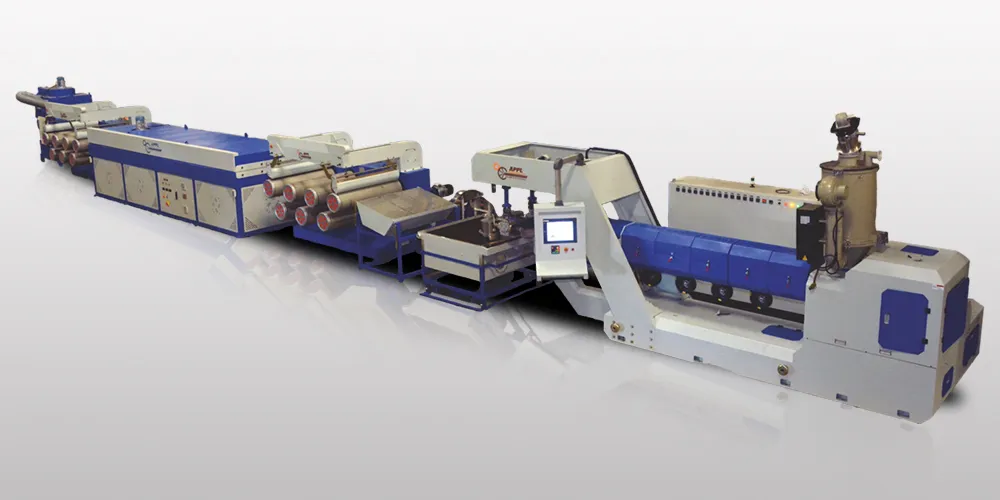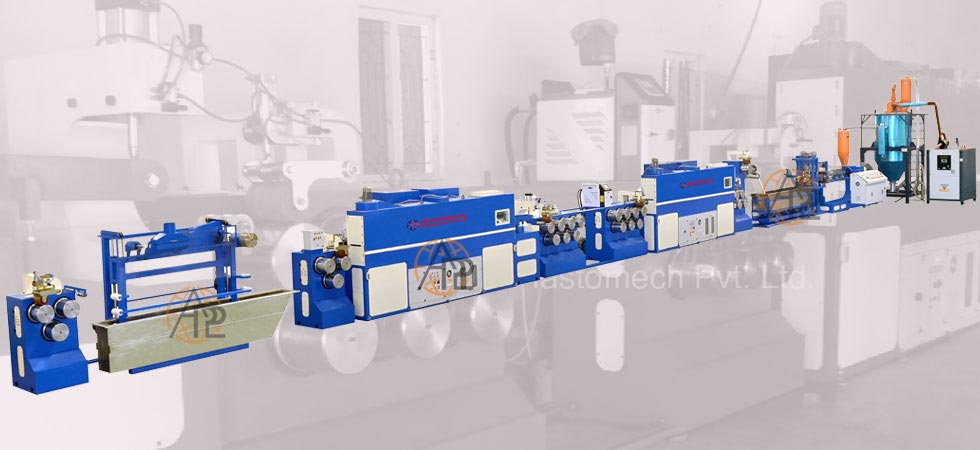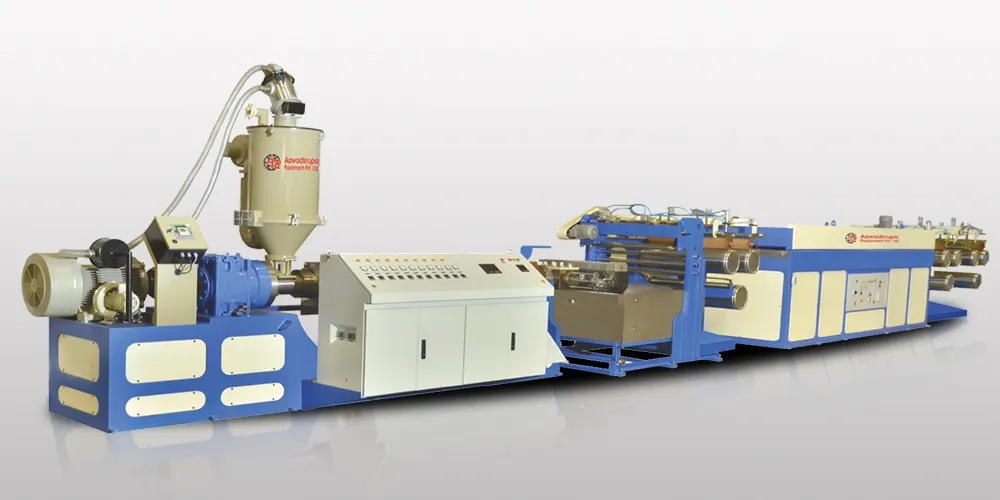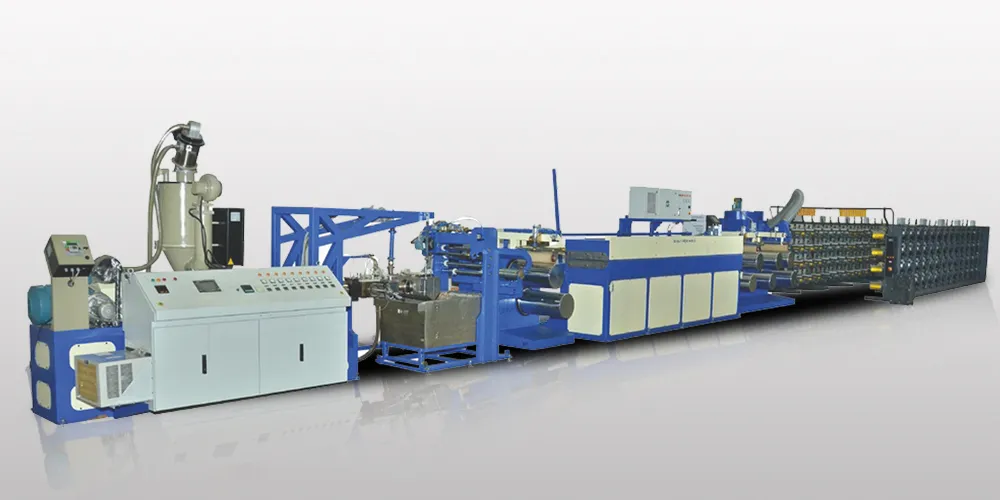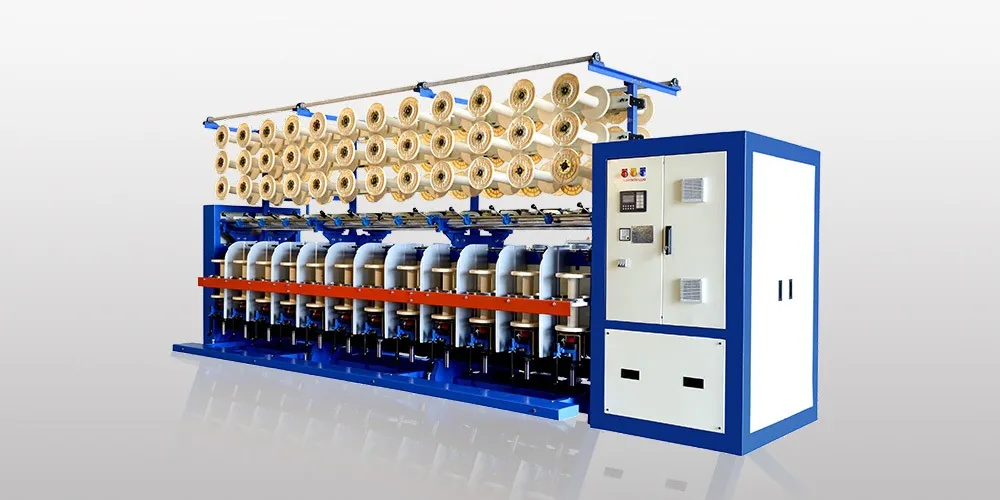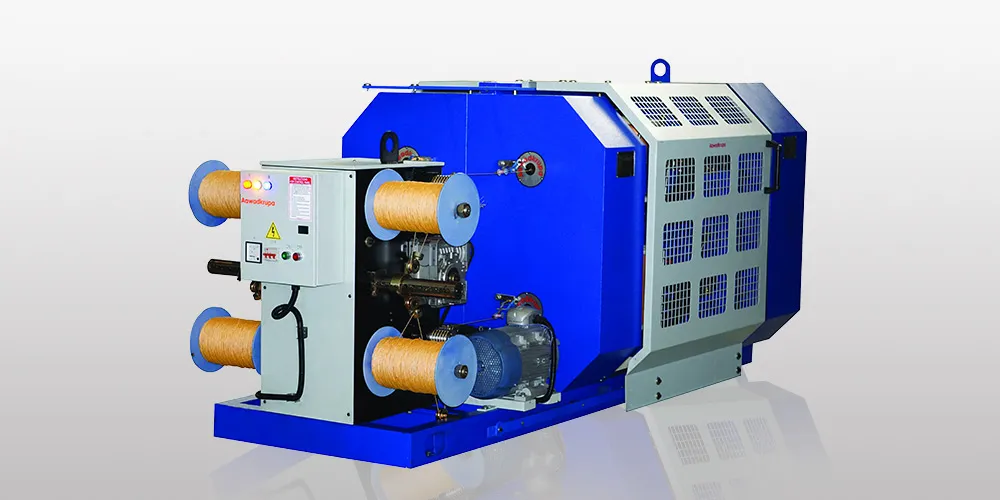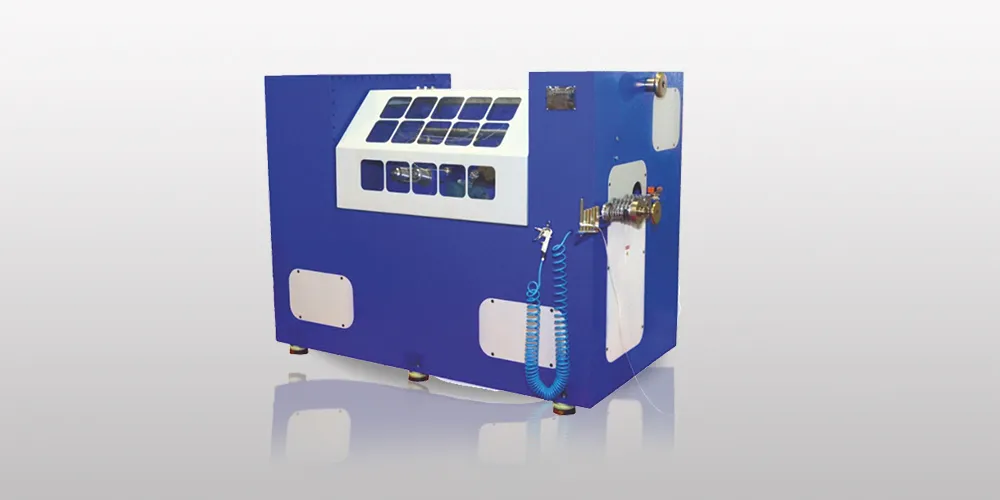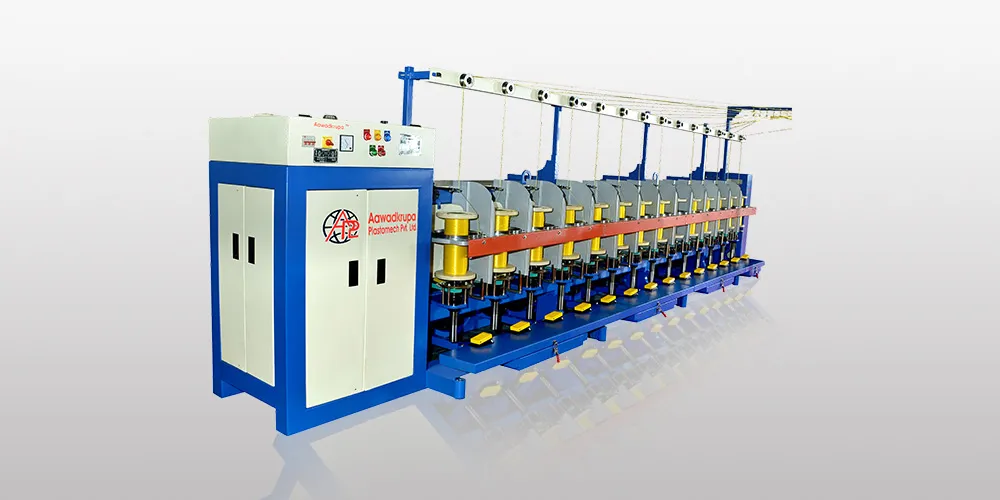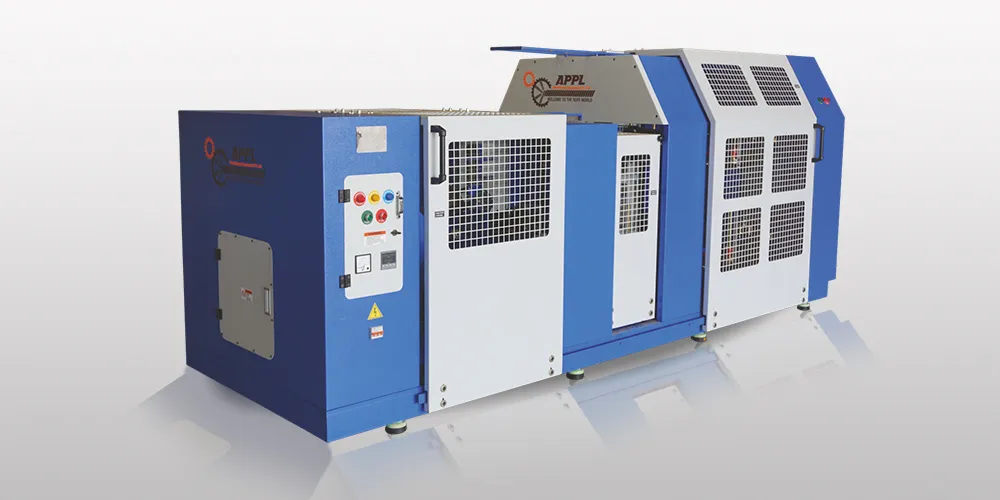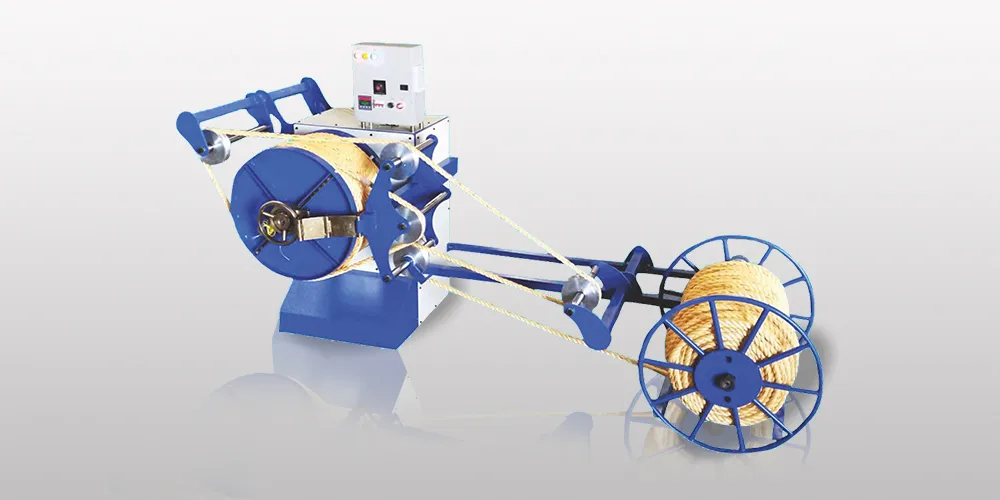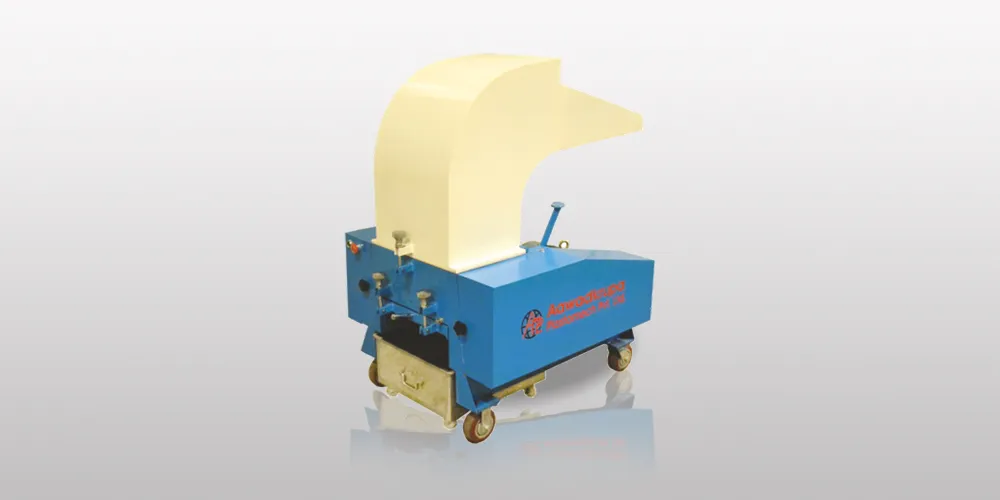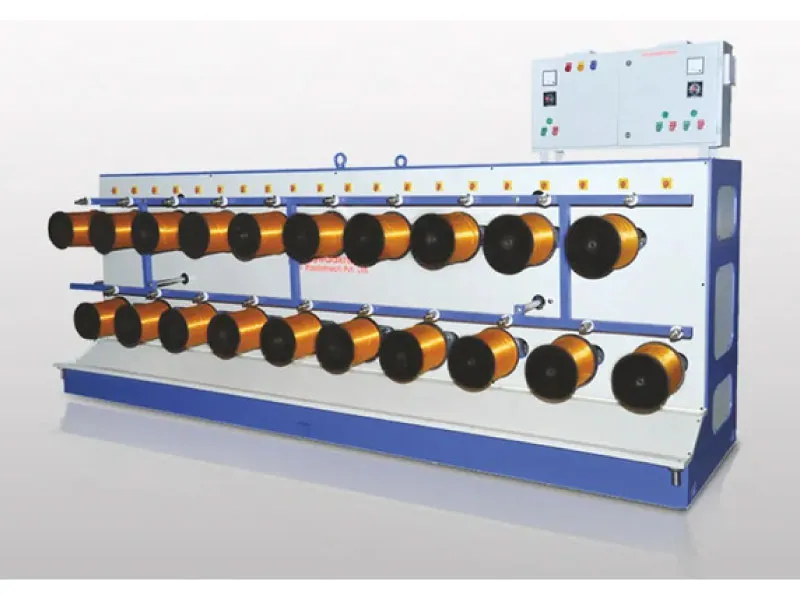
Delivered to Rajkot
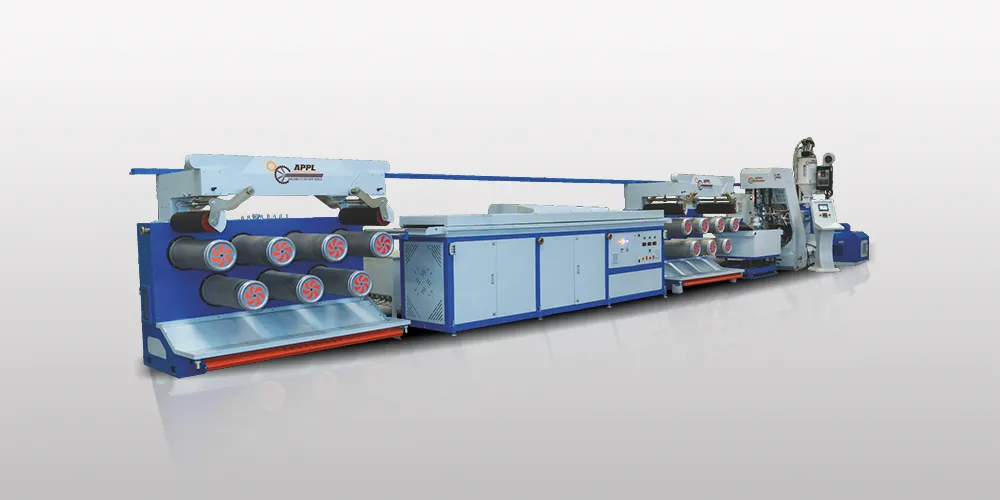
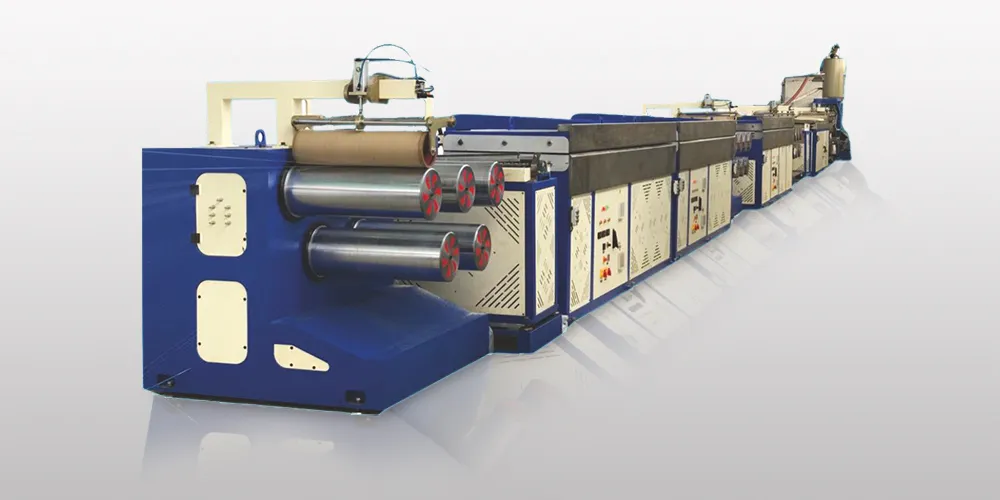
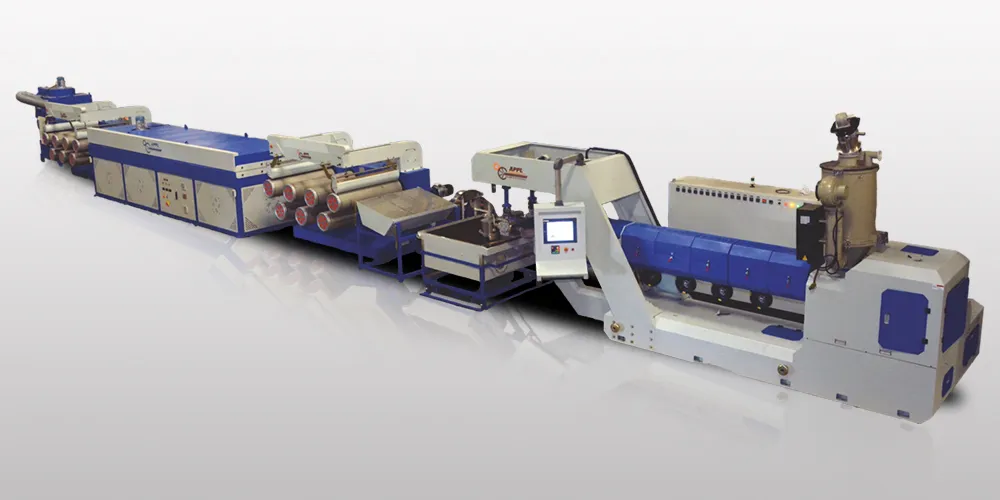
Machines are dispatched from our Bhavnagar plant by road, with full transit packing and documents.
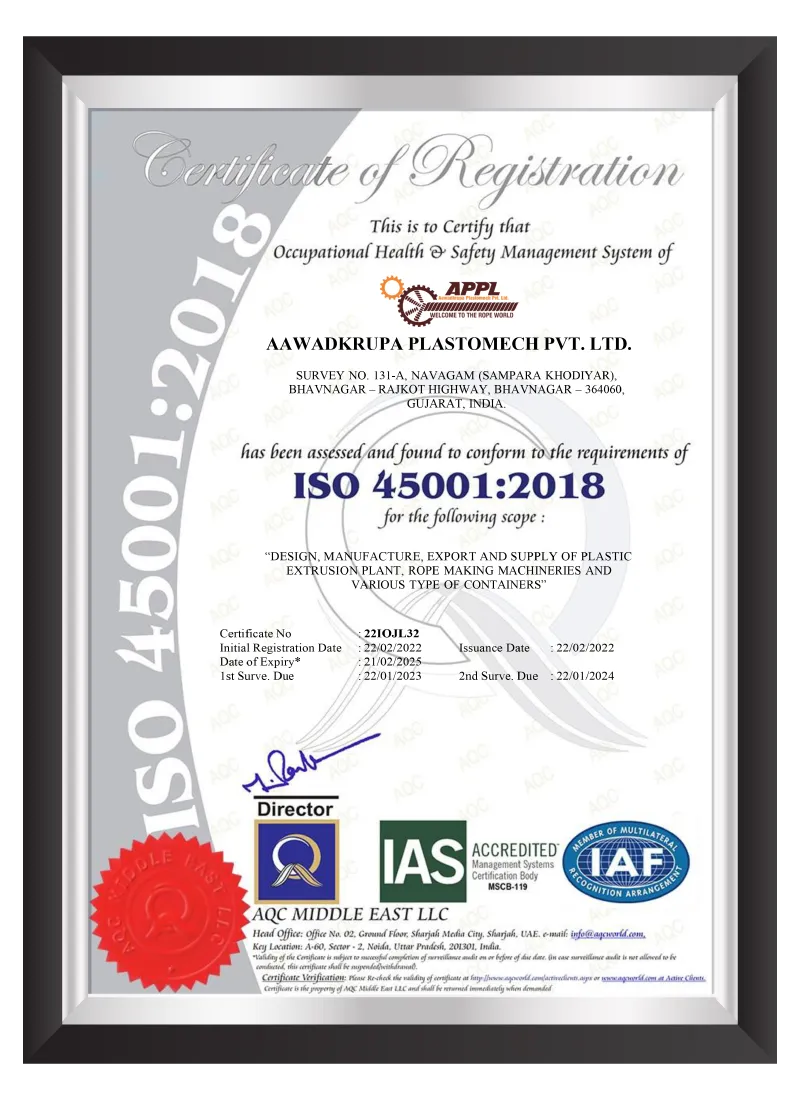
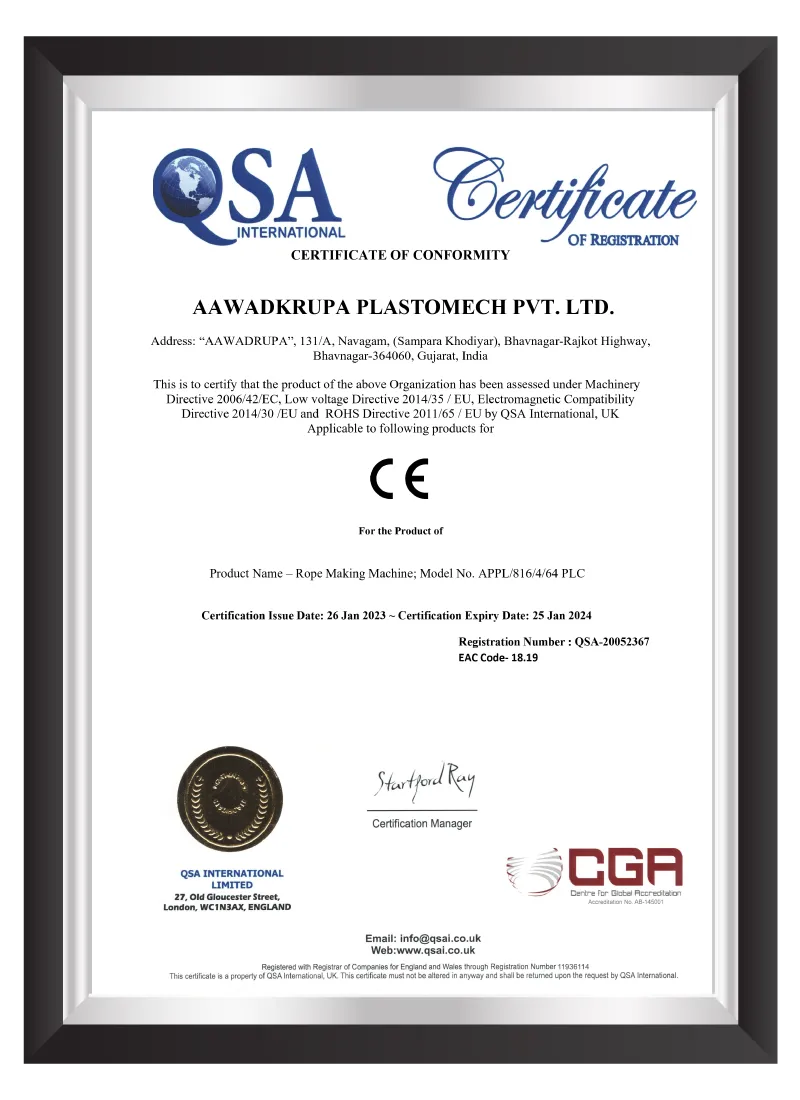
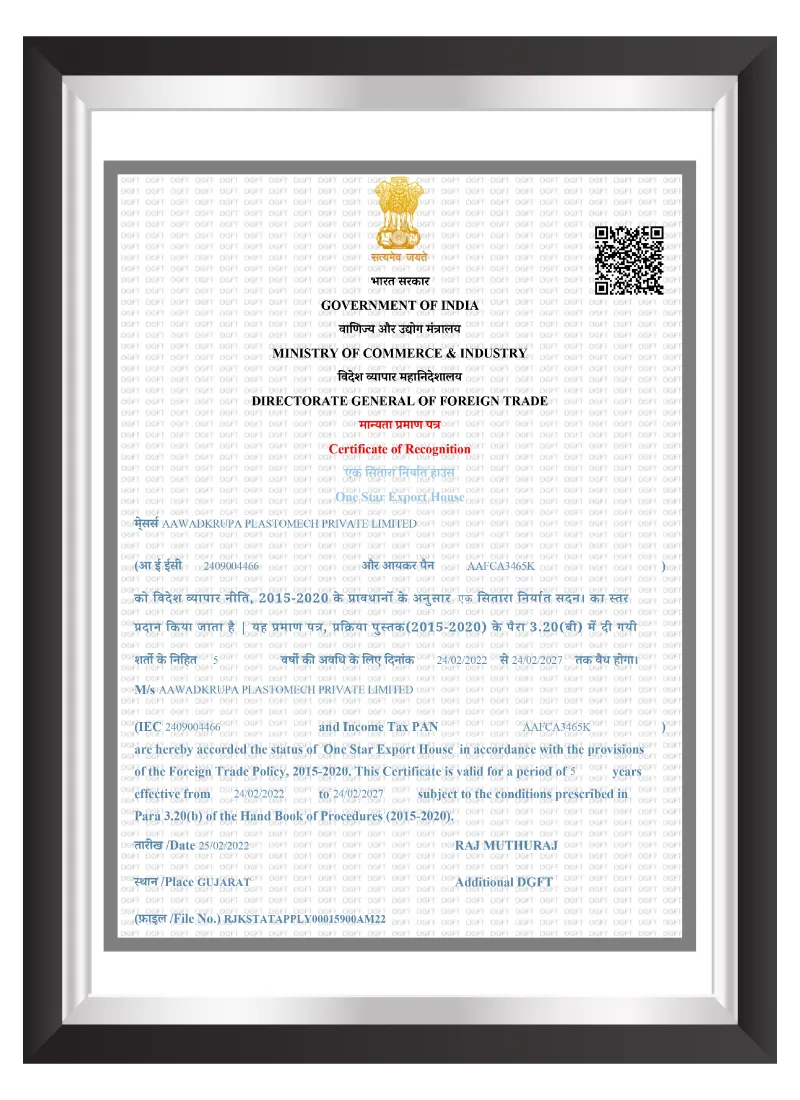
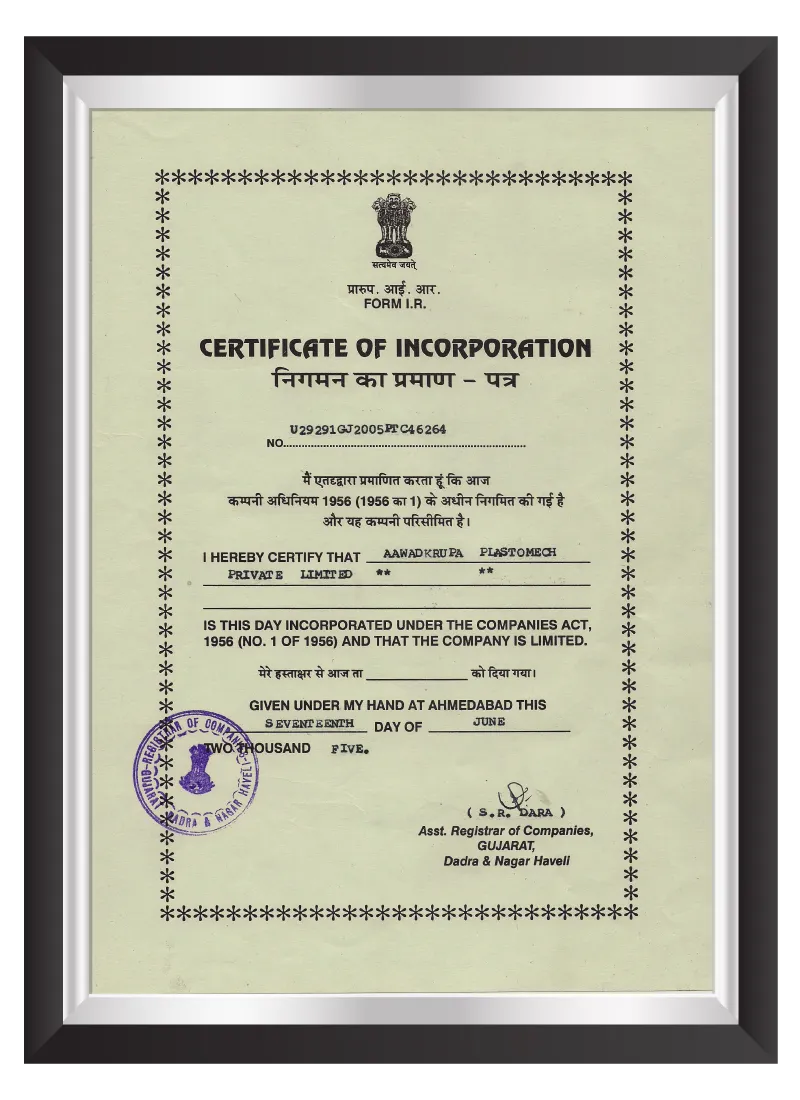
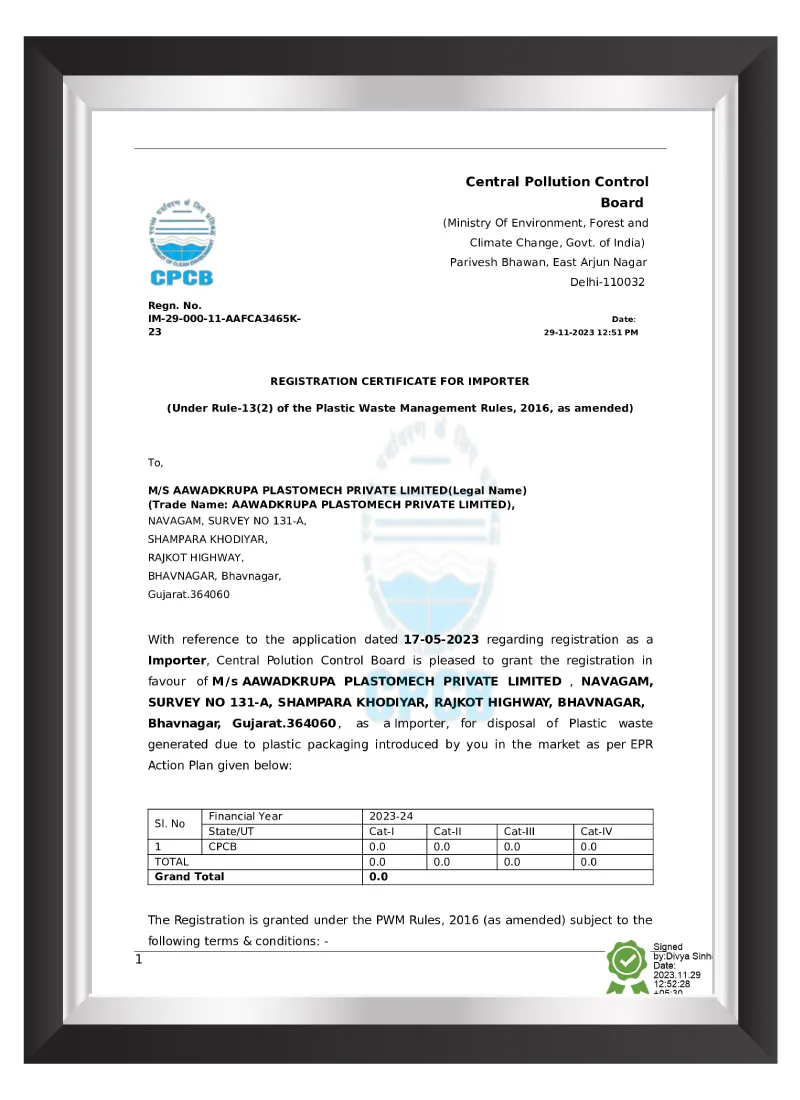
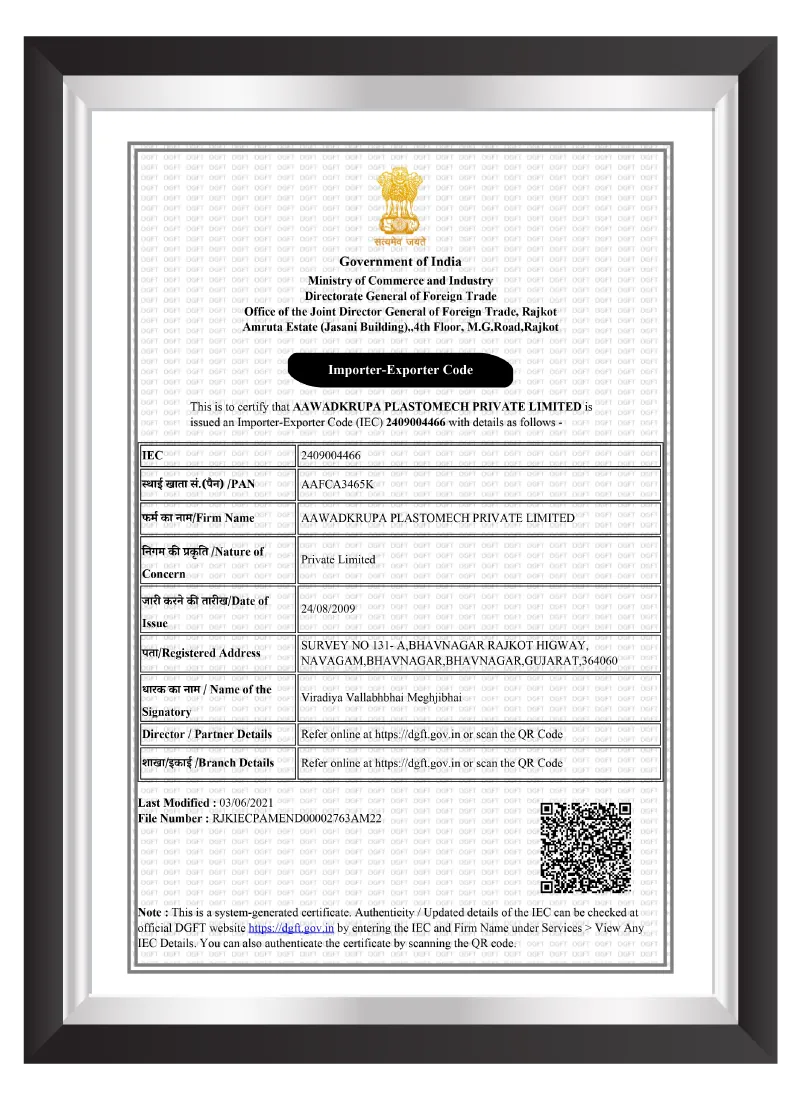
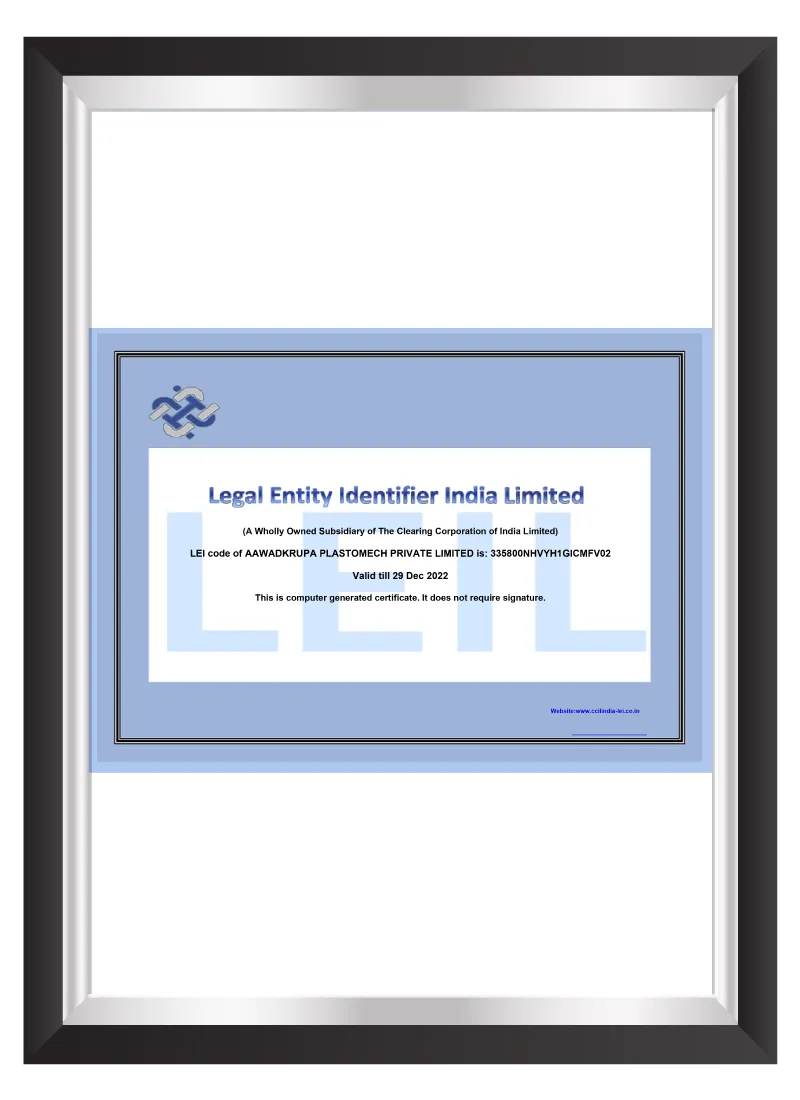
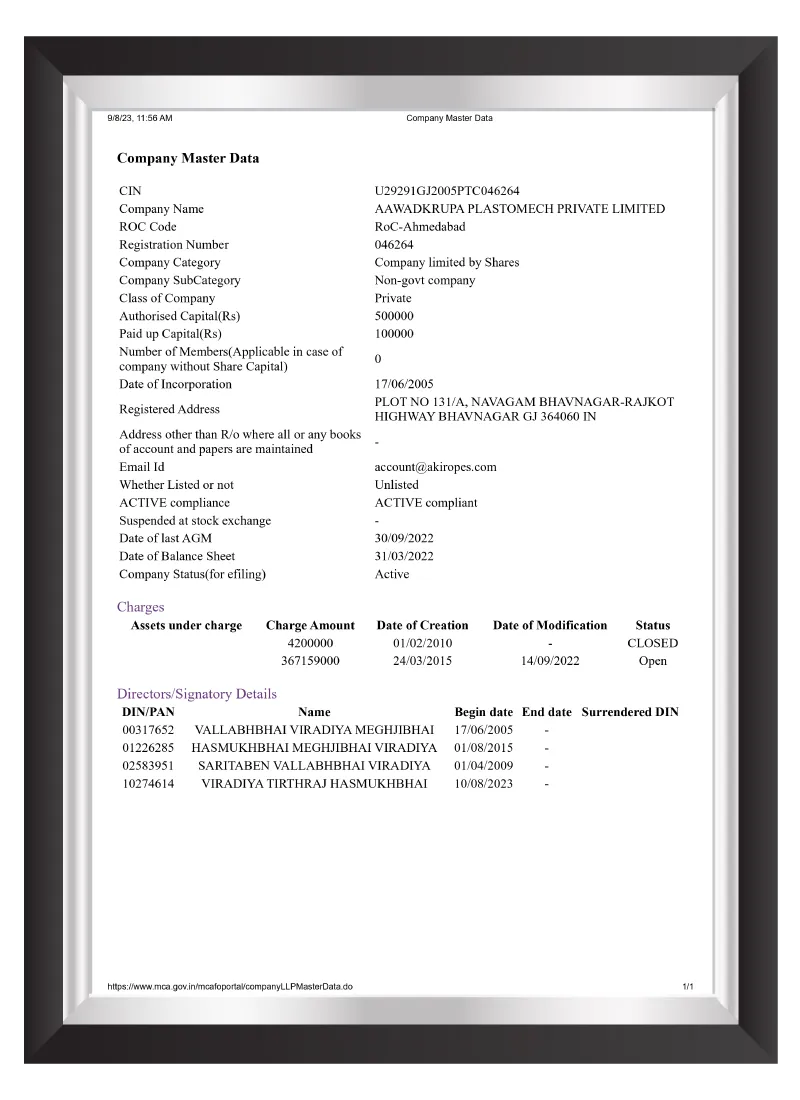
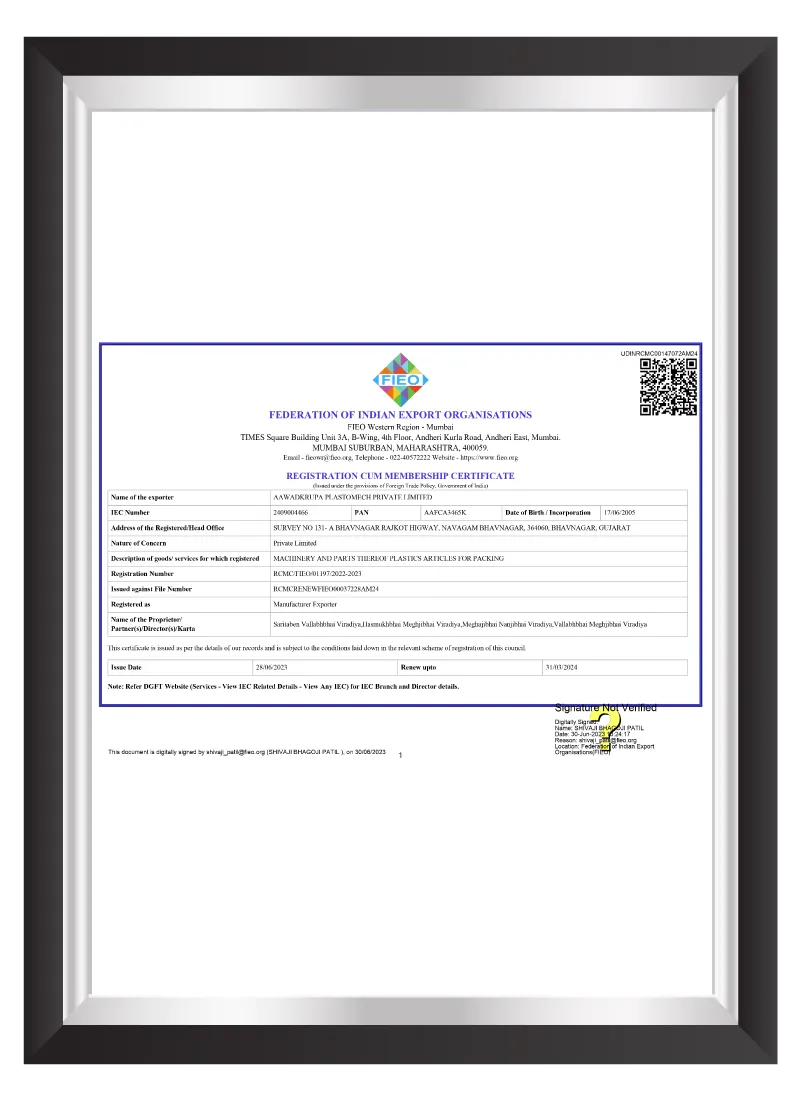
Manufacturer & supplier of Roller Winder in India. Aawadkrupa Plastomech Pvt. Ltd. with 25+ years of industry experience & 50+ countries worldwide exporter. ISO 9001: 2015 & 45001: 2018, CE & One Star Export House Certified.
OffersRoller Winder in Rajkot
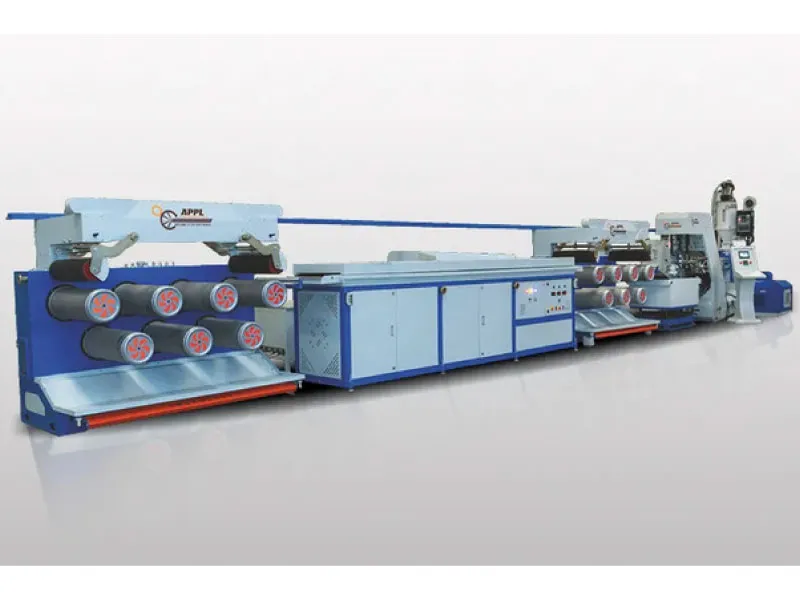
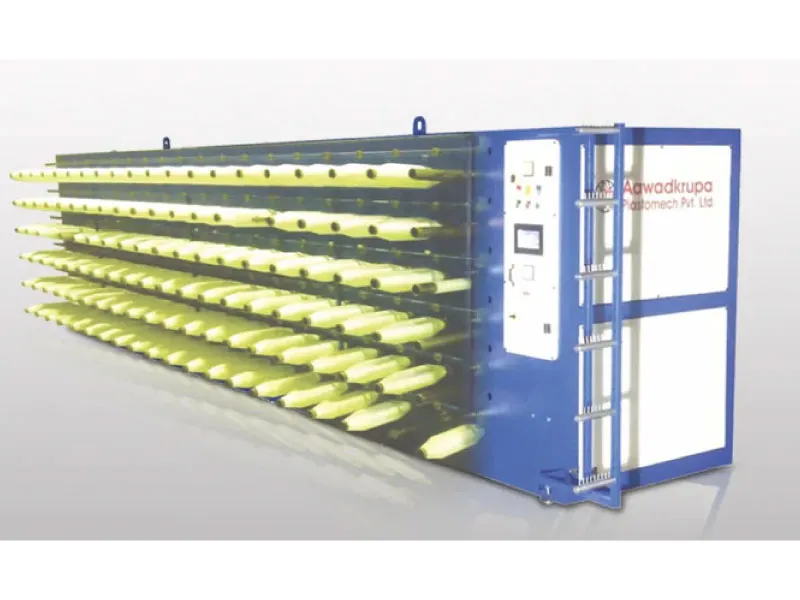
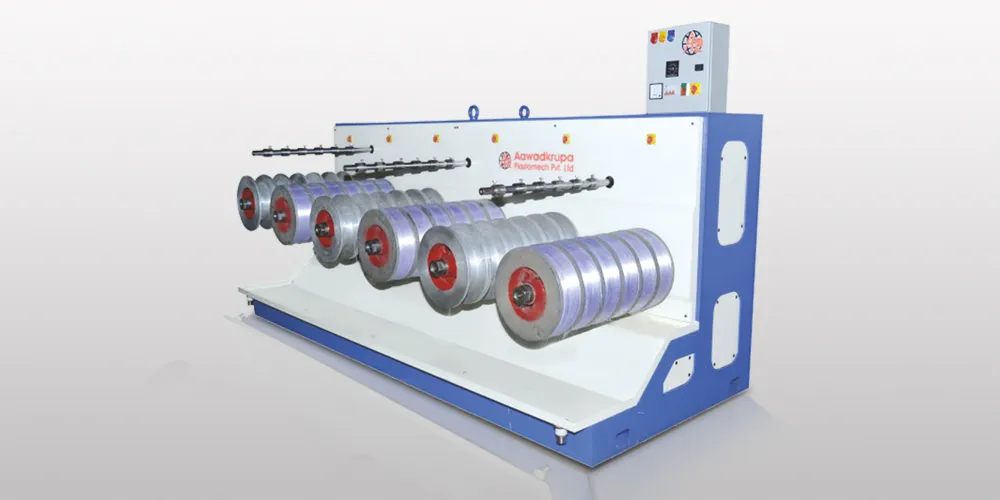
Aawadkrupa Plastomech takes pride in being a reputable exporter of Roller Winders in Rajkot. With a strong focus on quality and customer satisfaction, they have established themselves as a trusted name in the industry. Their Roller Winders are designed to meet international standards, ensuring efficient and precise winding of yarns. Aawadkrupa Plastomech's commitment to excellence is reflected in their state-of-the-art manufacturing facilities and a team of skilled professionals who strive for perfection. By delivering top-notch products and timely services, Aawadkrupa Plastomech has garnered a loyal customer base and continues to contribute to the growth of the textile industry both locally and globally.
Machines are dispatched from our Bhavnagar plant by road, with full transit packing and documents.
Our engineers install the machine at your unit and train your operators until it runs to spec.
Capacity and configuration are matched to your material, yarn or rope size and daily production.
Spare parts and quick technical support keep your production running after handover.
Fill out the below form and our experts will touch with you within 24 hours.
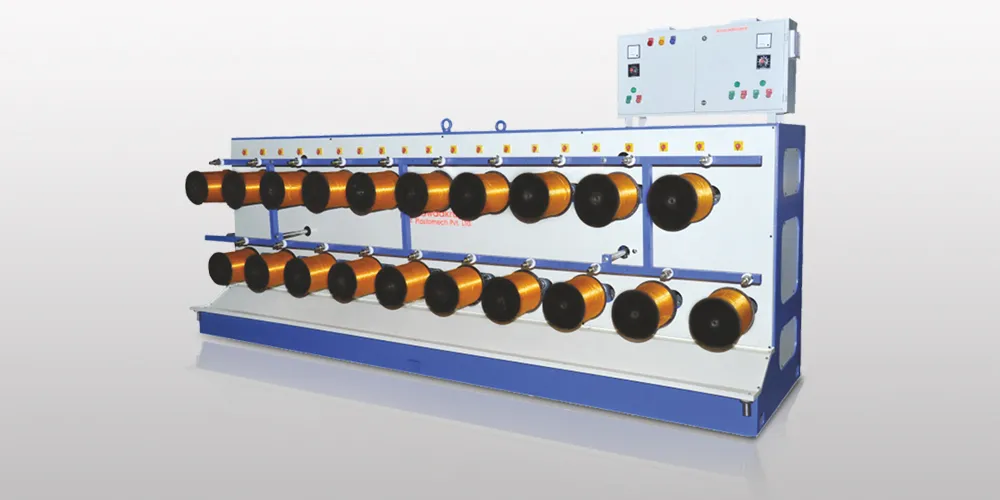
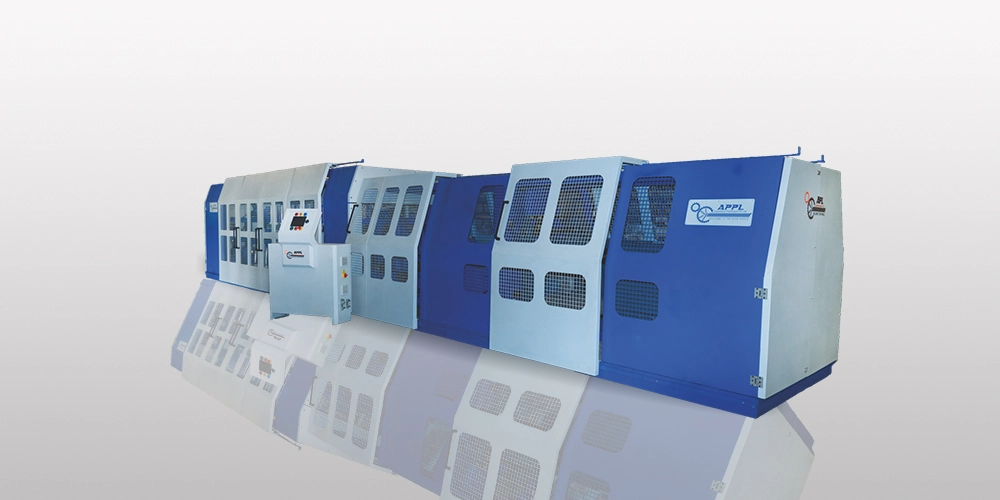
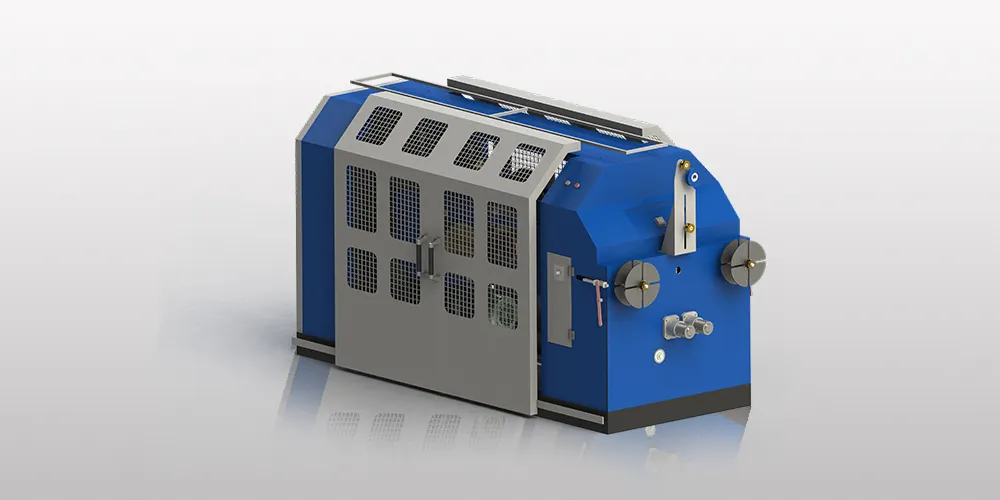
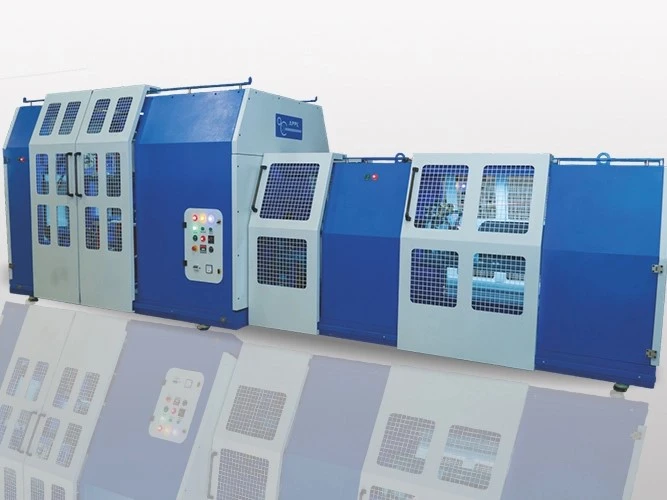
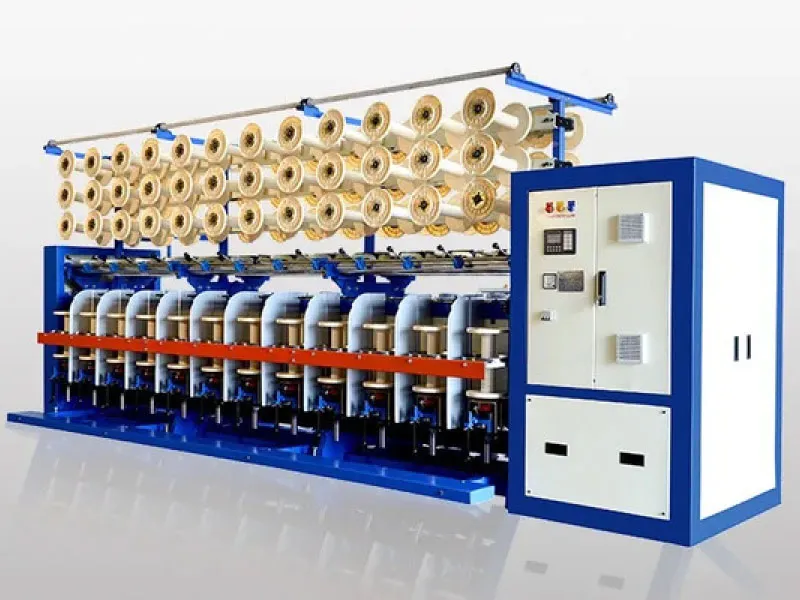
A roller winder is used for winding various materials such as textile fabrics, paper, plastic films, and metal sheets onto a roller. This machine is commonly used in the manufacturing industry for various applications such as packaging, printing, and textile production.
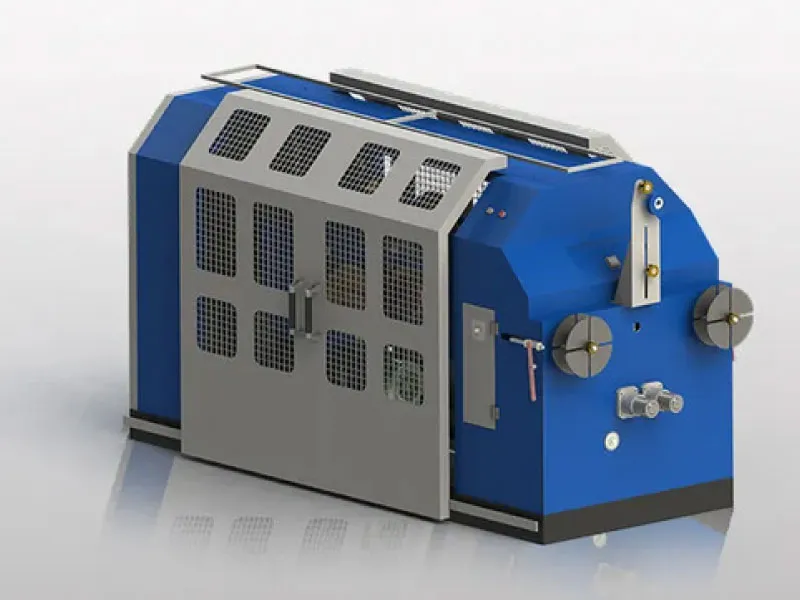
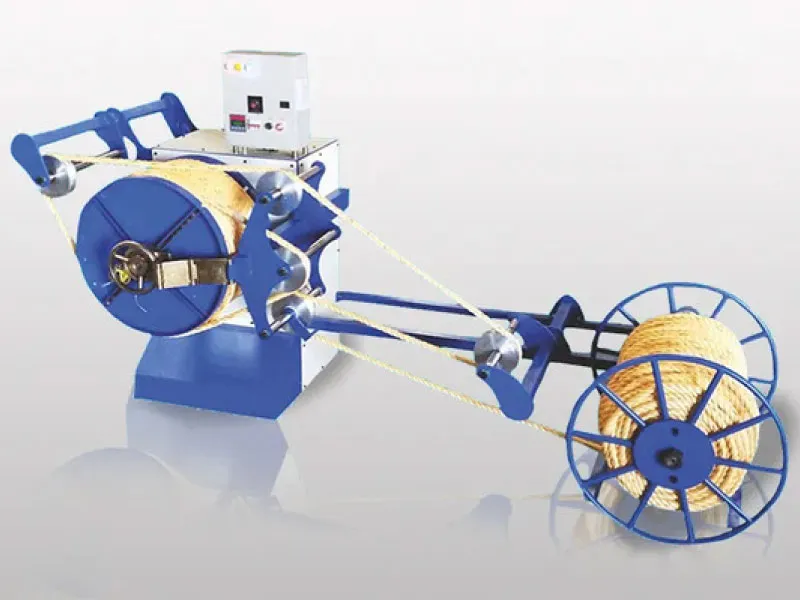
A roller winder works by feeding the material to be wound onto a roller through a set of rollers and then winding the material onto the roller using a winding mechanism. The machine consists of a set of feed rollers that move the material through the machine, a set of tension rollers that apply tension to the material, and a winding mechanism that winds the material onto the roller. The final output is a roller wound with the material that is ready for further processing or use.
There are several types of roller winders, including single-roller winders, double-roller winders, and center-driven winders. Single-roller winders are used for winding light to medium-weight materials, double-roller winders are used for winding heavy-weight materials, and center-driven winders are used for winding both light and heavy-weight materials.