
1. High-Quality Output:
Our plants produce consistent, high-quality pet monofilaments.
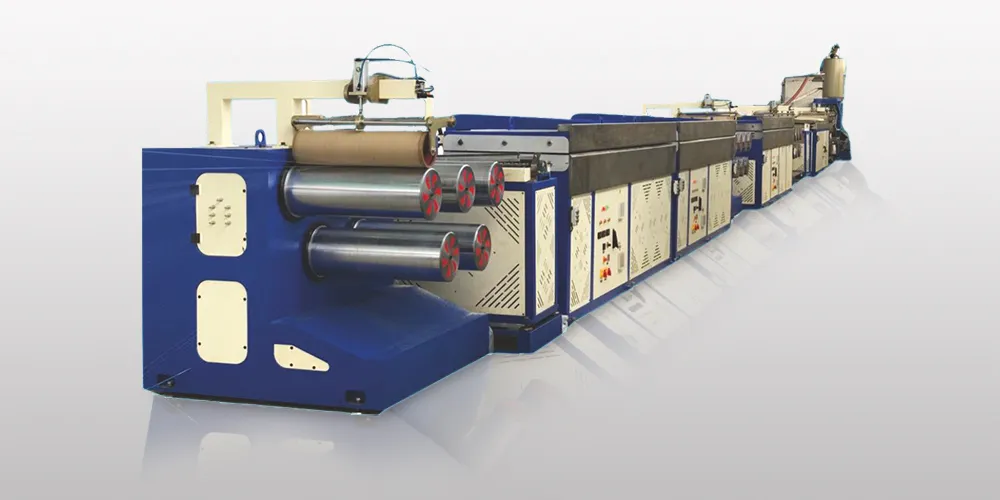
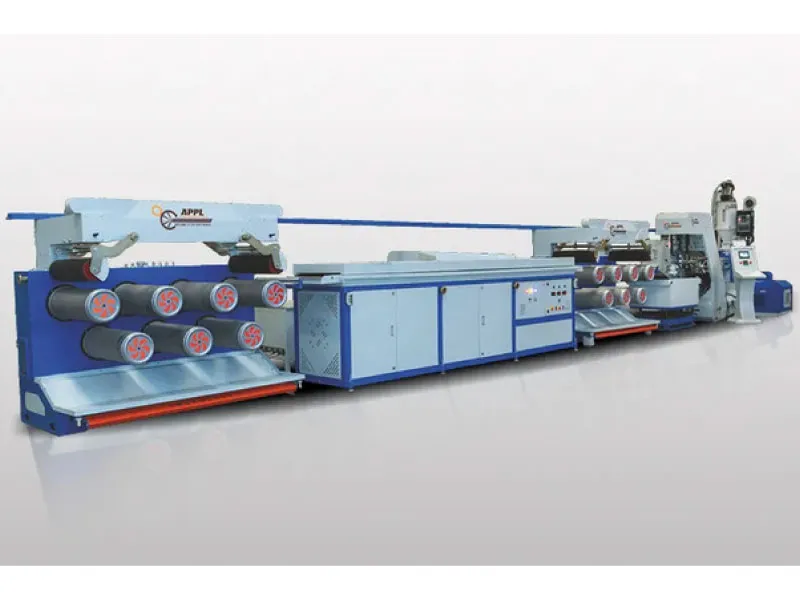
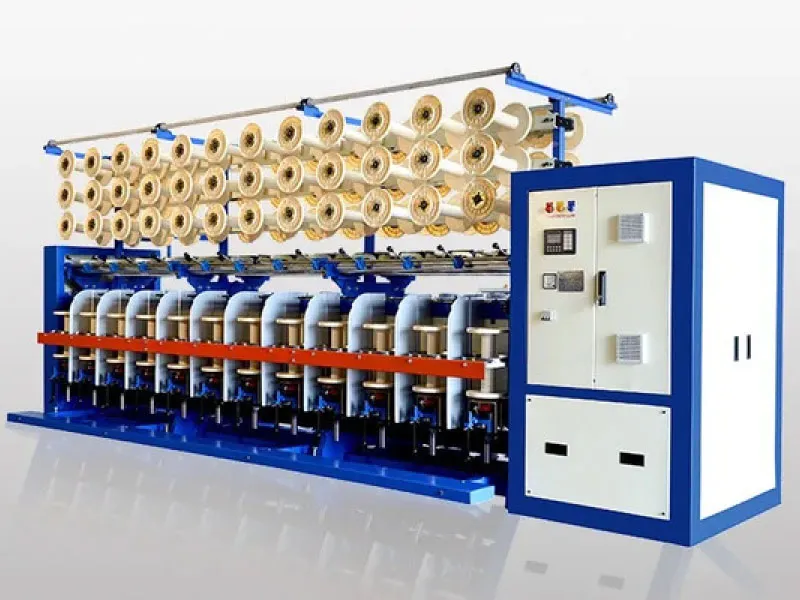
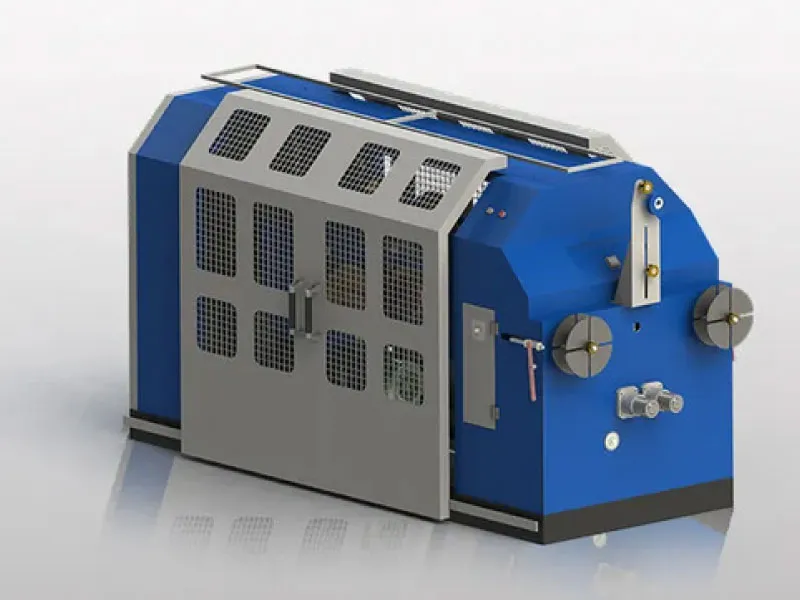
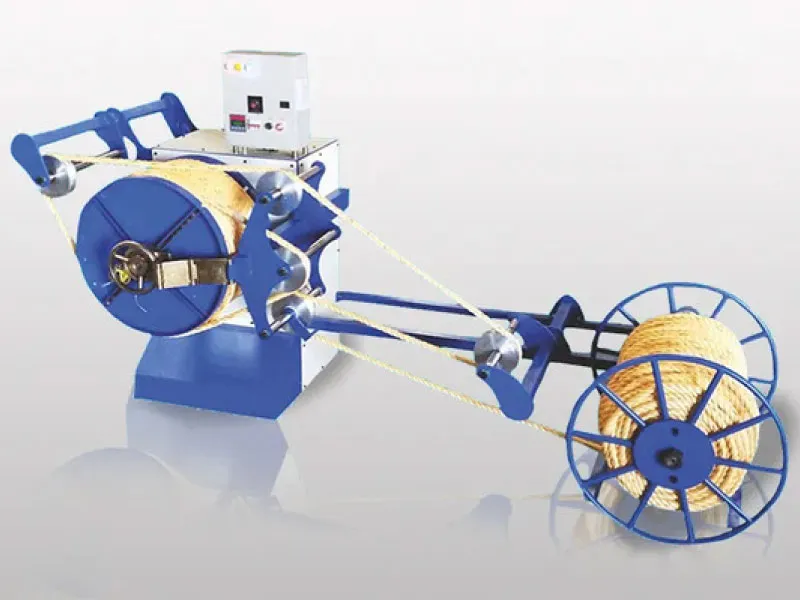
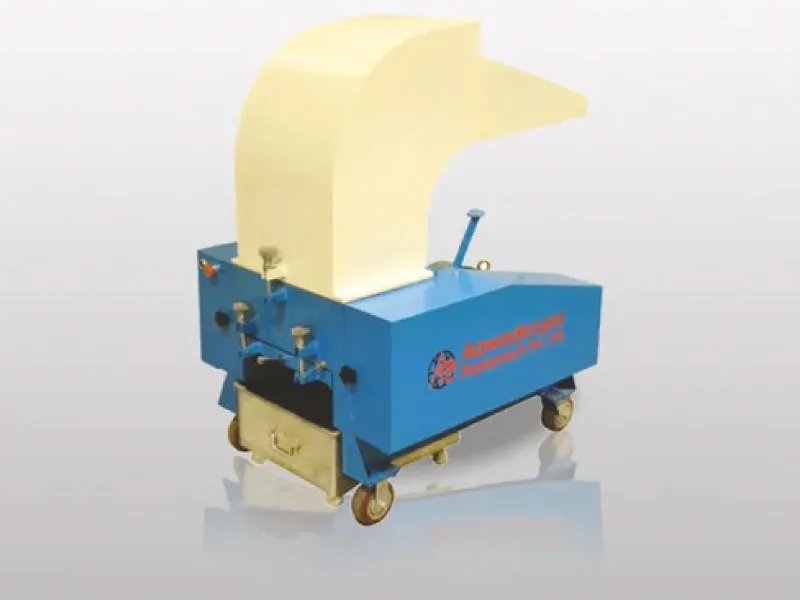
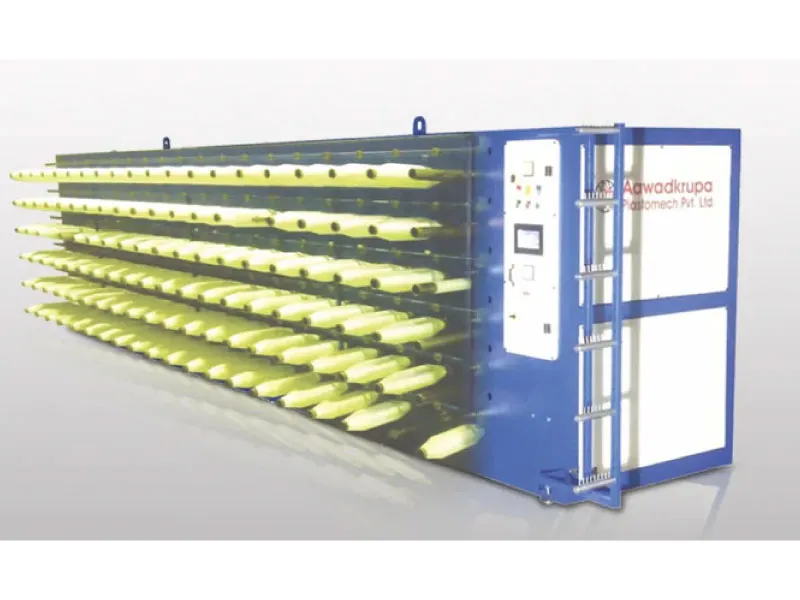
Aawadkrupa Plastomech Pvt. Ltd. is one of the leading manufacturers and exporters of high-quality PET monofilament extrusion plants. With decades of industry experience and a commitment to innovation, we deliver advanced and reliable machinery designed to meet the increasing global demand for PET monofilament production.
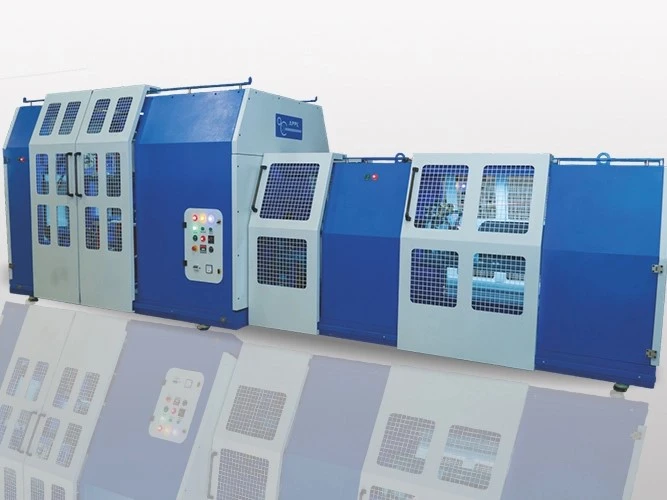
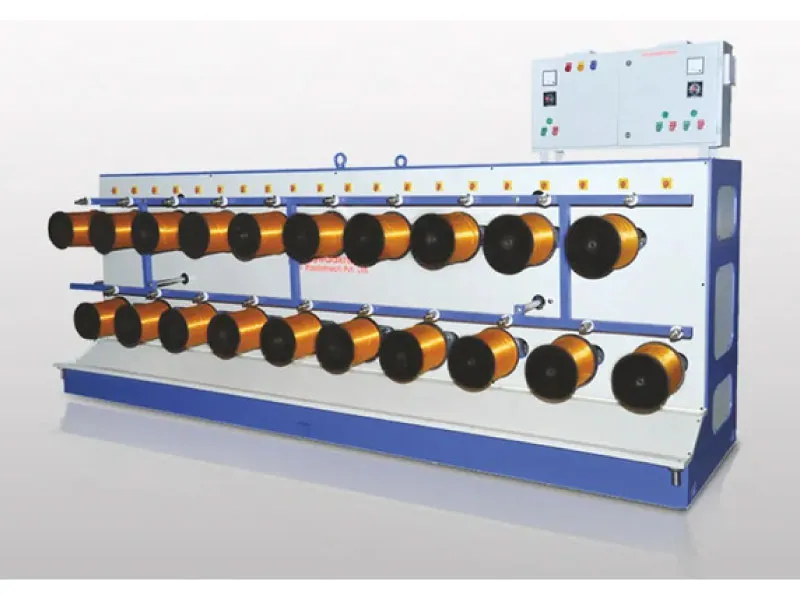
Our extrusion plants are engineered with precision and built using the latest technology to ensure smooth operation, energy efficiency, and long-lasting performance. These machines are ideal for producing consistent, high-strength PET monofilament used in various industrial applications.
As trusted manufacturers and exporters, we offer complete support—from customized machinery design to installation, training, and after-sales service. Whether you’re upgrading your current system or starting a new project, our solutions are tailored to enhance your production capabilities.
At Aawadkrupa Plastomech, we focus on quality, customer satisfaction, and long-term partnerships. Choose us as your PET monofilament extrusion plant partner and experience the growth, efficiency, and success our technology brings to your business.
Our plants produce consistent, high-quality pet monofilaments.
Advanced technology ensures minimal downtime and maximum output.
Tailor the plant to your specific production needs.
Reduce operational costs and environmental impact.
Built for long-term performance and value.
Comprehensive assistance for installation, operation, and maintenance.


Fill out the below form and our experts will touch with you within 24 hours.
Common questions about the pet monofilament extrusion plant.
Still have a question?
Ask on WhatsAppMonofilament extrusion is a process used to make continuous strands of polymeric material for a variety of consumer and industrial products. Both one and two polymer systems called co-extrusion or bicomponent extrusion are widely used. Synthetic monofilament fibers are produced by extruding a melted polymer through small spinneret holes. This process is well known and is broadly applied in industry. The preparation, melting, and extrusion of the polymer are similar to those used for film blowing, die casting, and various fiber spinning processes. However, for higher tex fibers (diameters of > 100 microns) the fiber processing is unique and is similar to slit film fiber processing (Hans A. Krassig, 1984). In the case of low tex monofilaments, the fiber processing steps are similar to the production of standard industrial multi-filament fibers.
PET monofilament is mainly used for making mesh fabrics for screen-printing, filter for oil and sand filtration, bracing wires for agricultural applications (greenhouses etc.), woven/knitting belt, filter cloth, and other such industrial applications.PET has wide applications in textile industry. Polyester fabrics are strong, flexible, and offer additional benefit of less wrinkles and shrinkage over cotton. Polyester fabrics are light-weight, reduced-wind, drag-resistant and more resistant to tears.
Monofilament - or “mono” for short - is a single strand of material that is made of a strong, flexible plastic that is clear or tinted many colors. It is one of the most popular types of fishing line used today.
USA | China | Japan | South Korea | Taiwan | Singapore | Malaysia | Thailand | Indonesia | Vietnam | Philippines | Sri Lanka | Bangladesh | Saudi Arabia | UAE | Turkey | Germany | France | United Kingdom | Italy | Spain | Netherlands | Poland | Switzerland | Sweden | Belgium | Austria | Norway | Denmark | Finland | Czech Republic | Hungary | Slovakia | Greece | Portugal | Romania | Bulgaria | Canada | Mexico | Brazil | Argentina | Chile | Colombia | Peru | South Africa | Nigeria | Egypt | Kenya | Algeria | Morocco | Tunisia | Ghana | Australia | New Zealand | Russia | Ukraine | Belarus | Kazakhstan | Uzbekistan | Iran | Qatar | Oman | Kuwait | Venezuela | Bolivia | Paraguay | Uruguay | Ethiopia | Tanzania | Zambia | Angola